
72 hr
3-Day Serengeti & Ngorongoro Crater Big Five Safari
- Expert local guide
- Small group
- Skip-the-line access
- Free cancellation
Serengeti National Park Tours Packages — Big Five Safaris & Balloon Rides
Dawn game drives across endless plains, the Great Migration at your horizon.
Compare fares, pick the fit — all bookings are mobile-voucher and eligible for free cancellation where shown.
72 hr
72 hr
96 hr
| Experience | Duration | Rating | Skip-the-line | Guide | Small group | Free cancel. | Price | |
|---|---|---|---|---|---|---|---|---|
|
Guided Experience
Most popular
3-Day Serengeti & Ngorongoro Crater Big Five Safari
|
72 hr | ★ 4.8 | ✓ | ✓ | ✓ | ✓ | €791 | Book → |
|
Guided Experience
3-Day Serengeti & Ngorongoro Crater Safari
|
72 hr | ★ 5.0 | ✓ | ✓ | ✓ | ✓ | €791 | Book → |
|
Guided Experience
4-Day Tanzania Camping Safari: Tarangire, Serengeti & Ngorongoro
|
96 hr | ★ 4.7 | ✓ | ✓ | ✓ | ✓ | €1010 | Book → |
Worth it for serious wildlife enthusiasts
Serengeti national park tours packages deliver unmatched access to Africa's most iconic wildlife ecosystem, where the Great Migration and year-round Big Five sightings justify the premium cost. Multi-day packages starting around three days provide professional guides, transportation across the 14,750 km² park, and strategic positioning for wildlife encounters that independent travelers struggle to replicate. The 83 USD daily conservation fee is absorbed into package pricing alongside accommodations and expert navigation through seasonal animal movements. Packages ranging from budget camping safaris to luxury balloon experiences cater to different investment levels, but all leverage guide expertise that transforms raw landscape access into curated encounters with lions, elephants, leopards, and the annual wildebeest migration spectacle. The value calculation tips favorably for first-time safari visitors who lack bush navigation skills and for photographers targeting specific wildlife moments—dawn game drives and wet-season calving concentrations require professional coordination. However, solo explorers comfortable with self-drive logistics may find the per-person package cost steep compared to independent park entry and basic camping permits.
Bottom line: Serengeti national park tours packages tour options justify their cost through guided wildlife expertise that independent visitors cannot easily match across this vast ecosystem.
They complement each other; most visitors who do both call the Serengeti the more thrilling for its scale, while the Ngorongoro Crater offers unrivaled wildlife concentrations. Exploring serengeti national park tours packages provides a vastly different perspective than the confined floor of the neighboring caldera.
|
Top pick Serengeti |
Ngorongoro Crater | |
|---|---|---|
| Landscape type | Vast open savanna plains | Enclosed volcanic caldera |
| Wildlife density | Lower concentration over wide area | Very high year-round concentration |
| Great Migration presence | Central hub for herds | Occasional seasonal sightings |
| Driving distance | Requires extensive travel | Relatively compact access |
| Ideal duration | 3 to 5 days | 1 full day |
| See tickets & prices |
Verdict: Choosing between these serengeti national park tours packages tours and the crater depends on whether you prefer the endless horizon or a high-density safari experience; booking serengeti national park tours packages tickets for a multi-day expedition allows for both landscapes to be experienced within a single journey.
Hand-picked experiences loved by thousands of travelers
5 hours
Free Cancellation
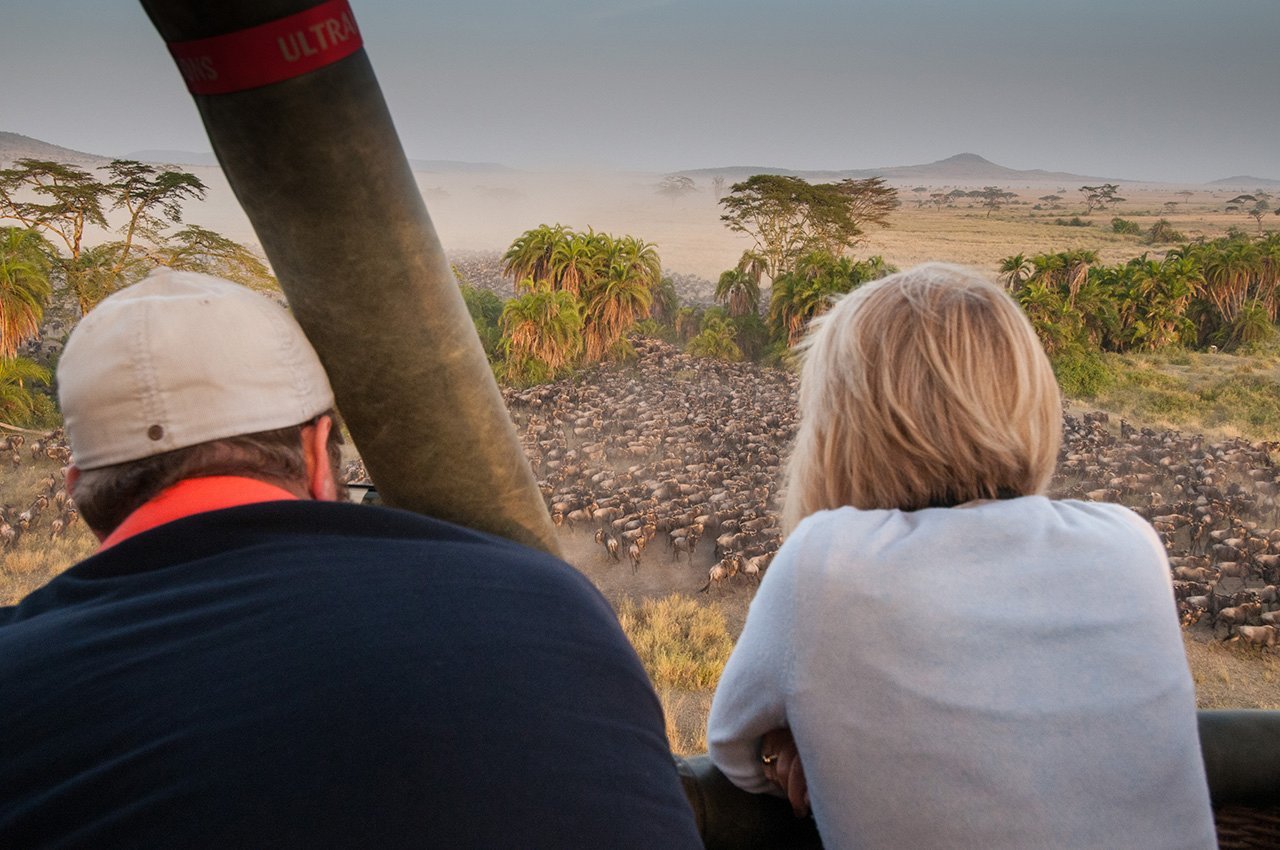
Drift over the Serengeti at sunrise, then celebrate with champagne and a gourmet breakfast in the wild
4 days
Free Cancellation
Immerse yourself in Tanzania's wilderness with camping under the stars and Big Five encounters
1 day (12 hours)
Free Cancellation
Discover Africa's most iconic wildlife reserve on an immersive day safari from Mwanza with expert guides
4 hours 30 minutes
Free Cancellation
Soar above the plains at sunrise, spot wildlife from the sky, and toast your journey with bubbly
3 days
Free Cancellation
Private wildlife adventure across three iconic parks with expert guide, meals, and lodging included
Complete registration and fee payment at the gate
Explore predator habitats during peak activity hours
Lunch at an approved site away from vehicle
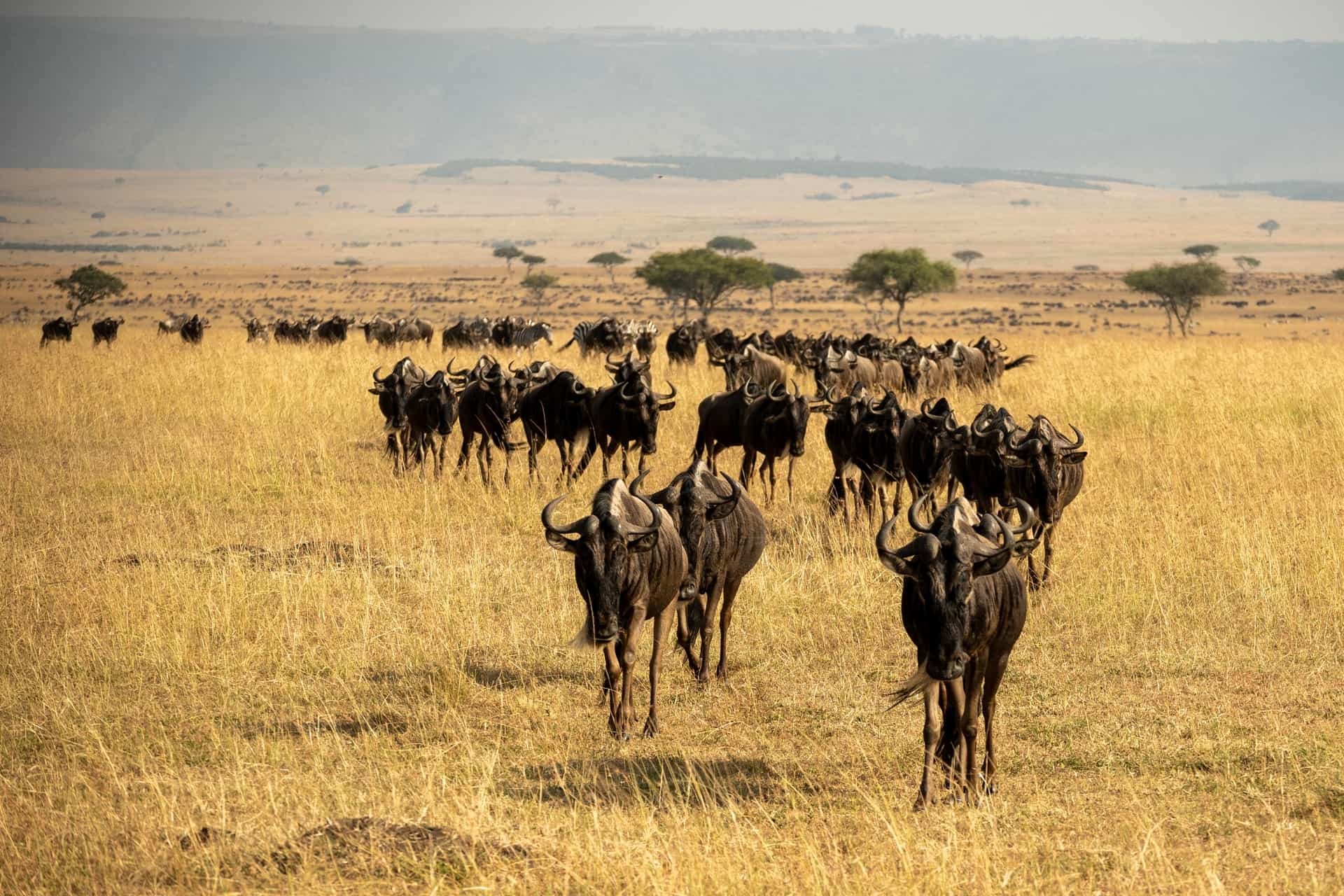
Locate migratory herds across the plains
Central region known for high predator density and year-round big cat sightings.
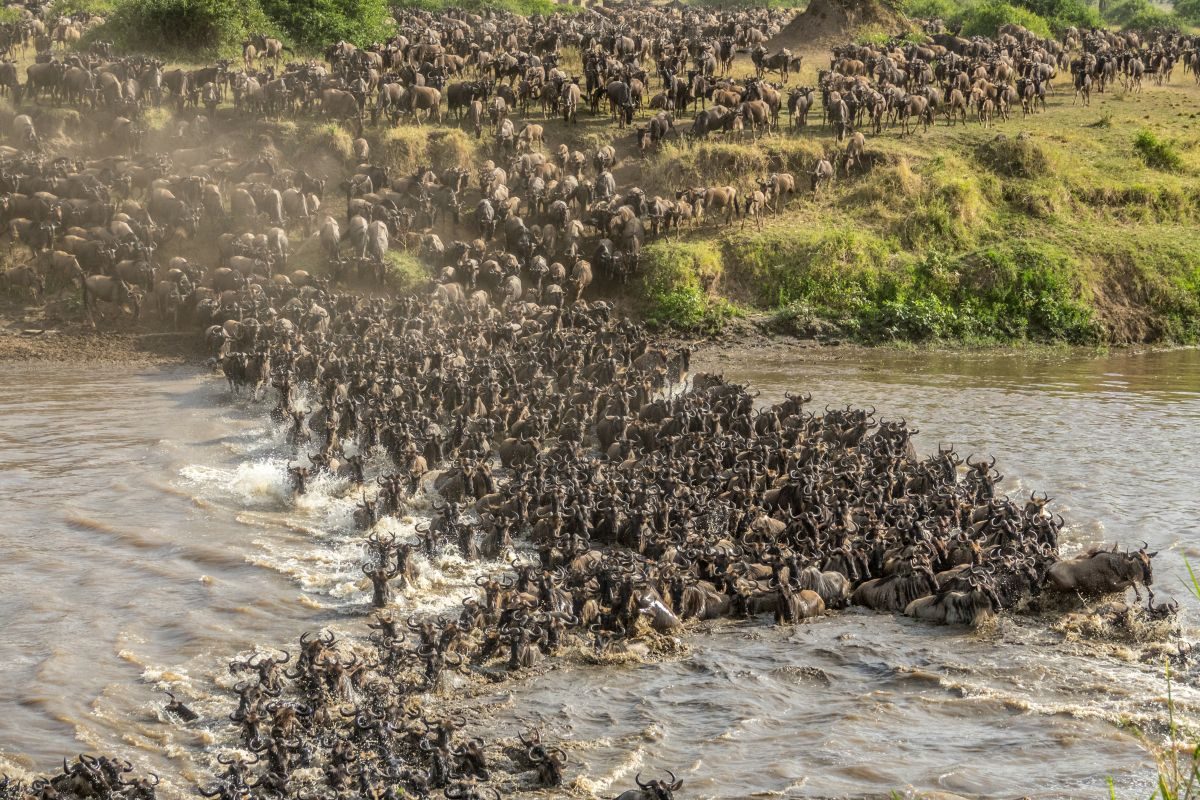
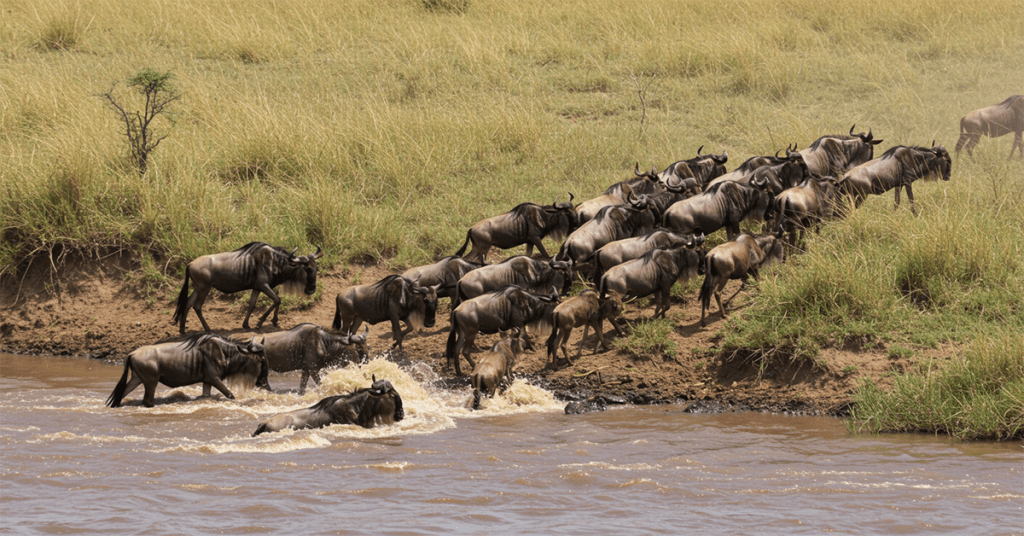
Site of the dramatic river crossings during the Great Migration.
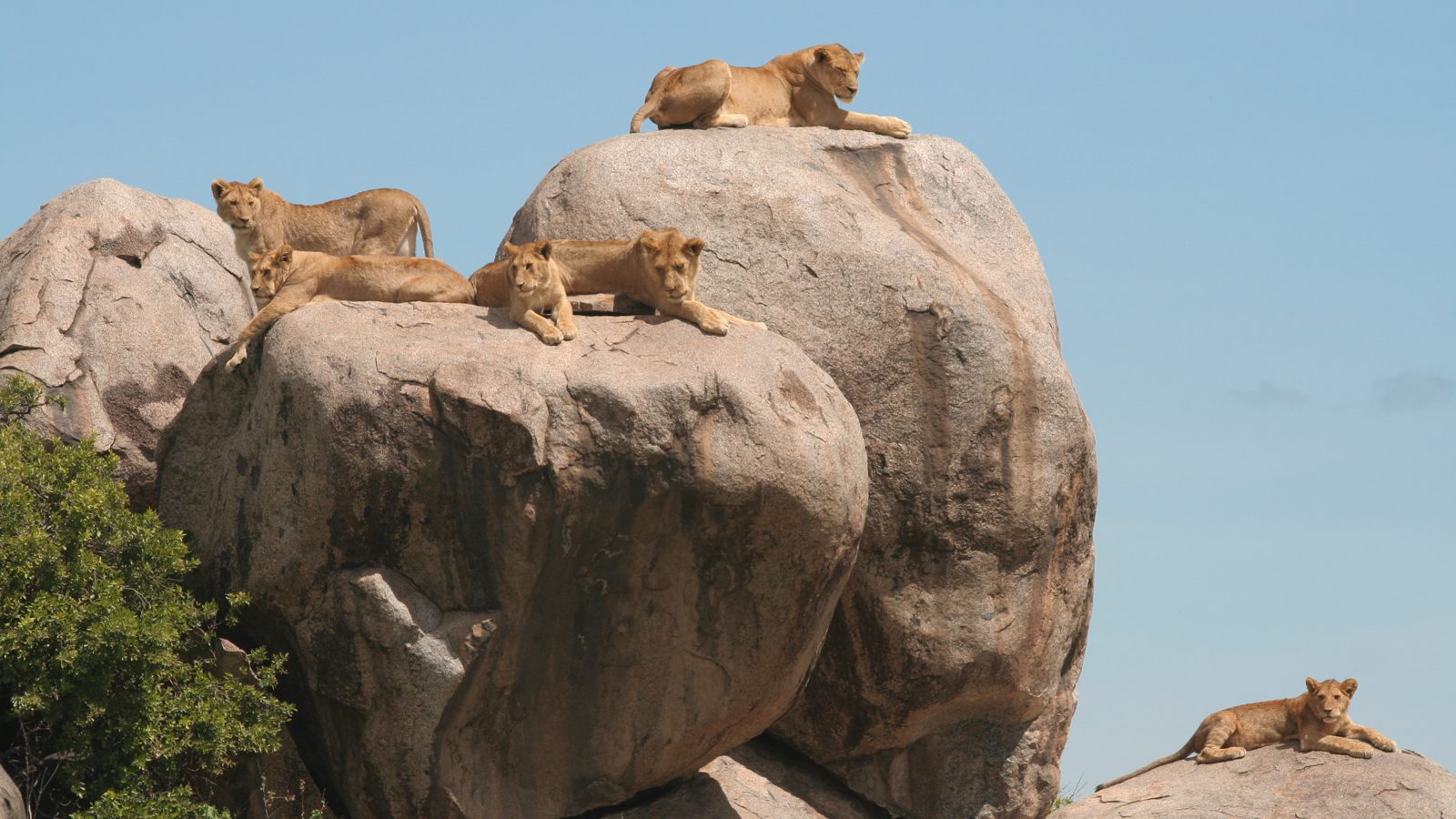
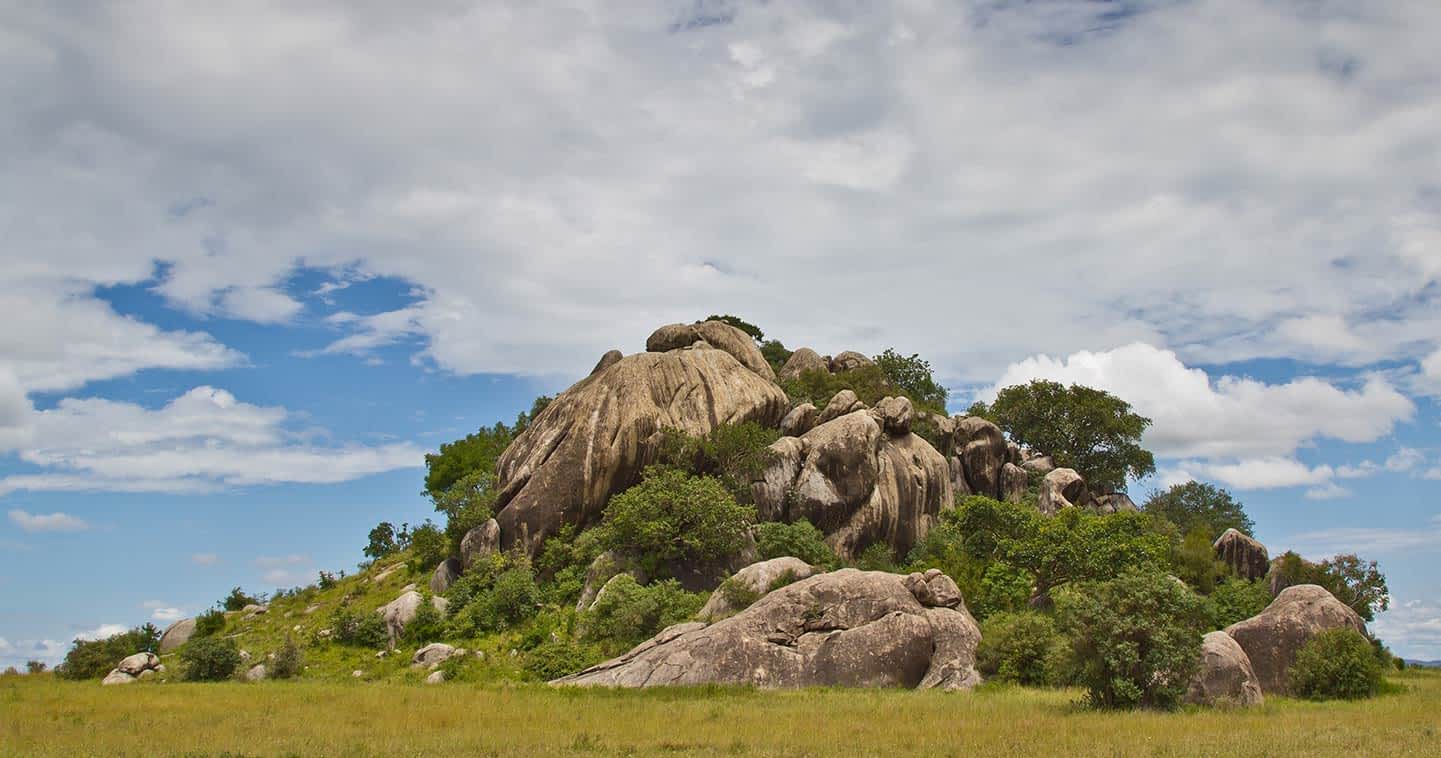
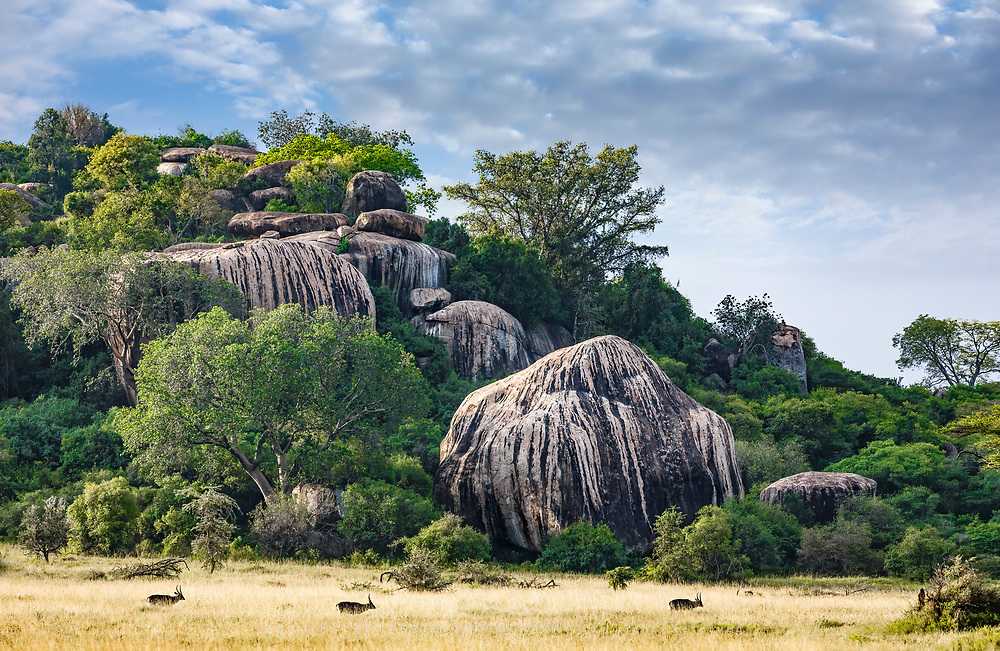
Ancient granite outcrops providing excellent vantage points for leopards and lion prides.
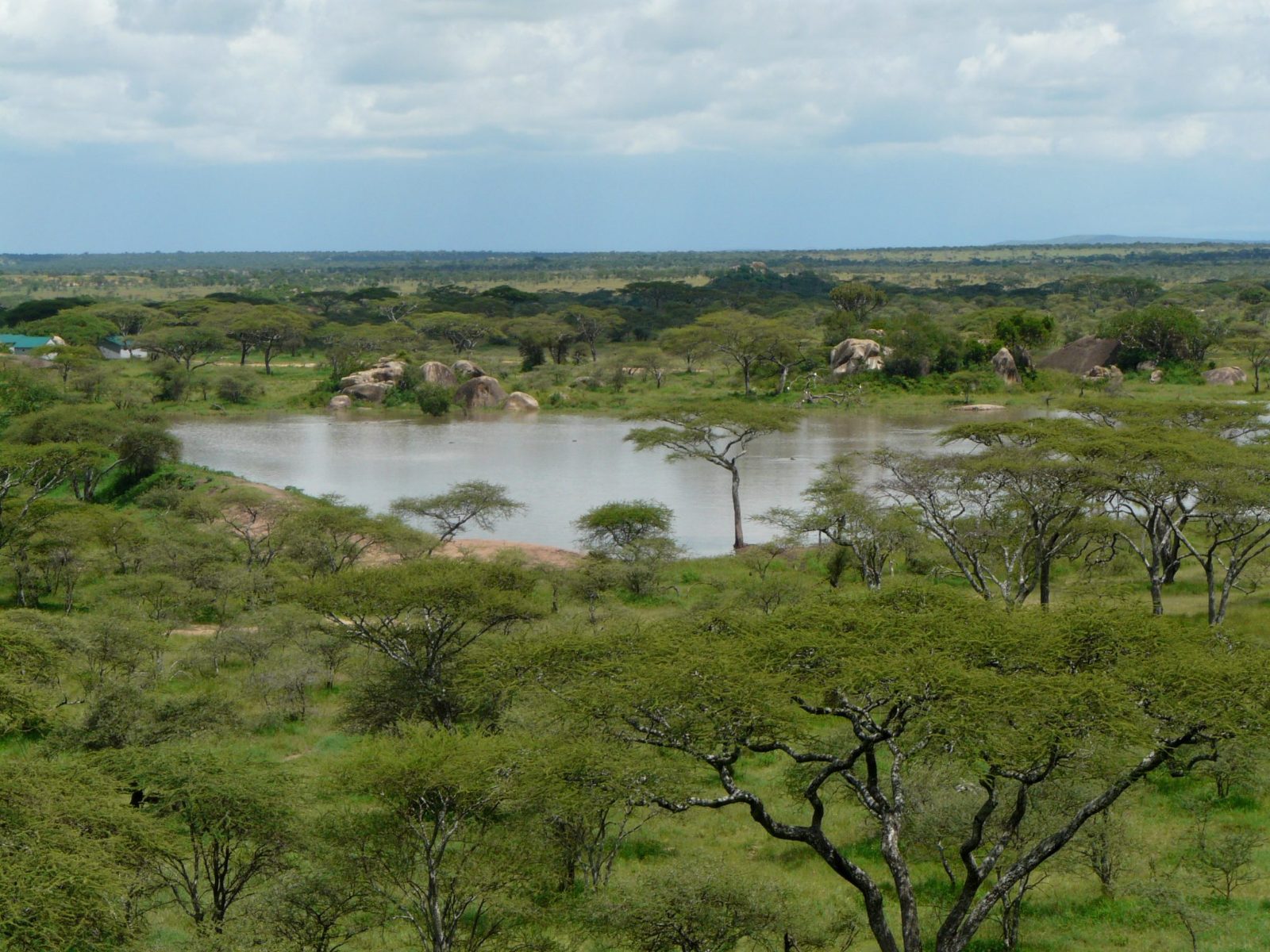
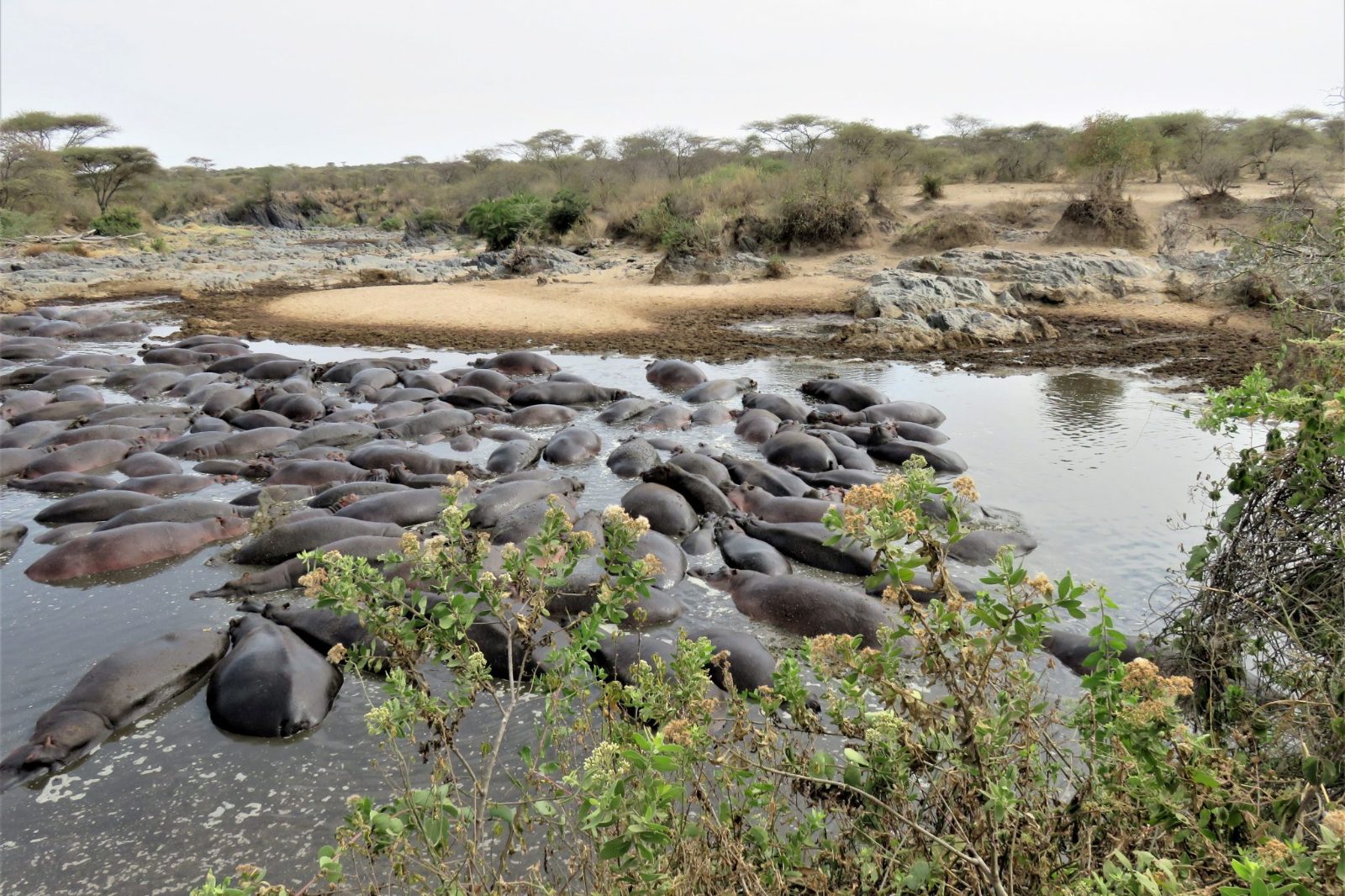
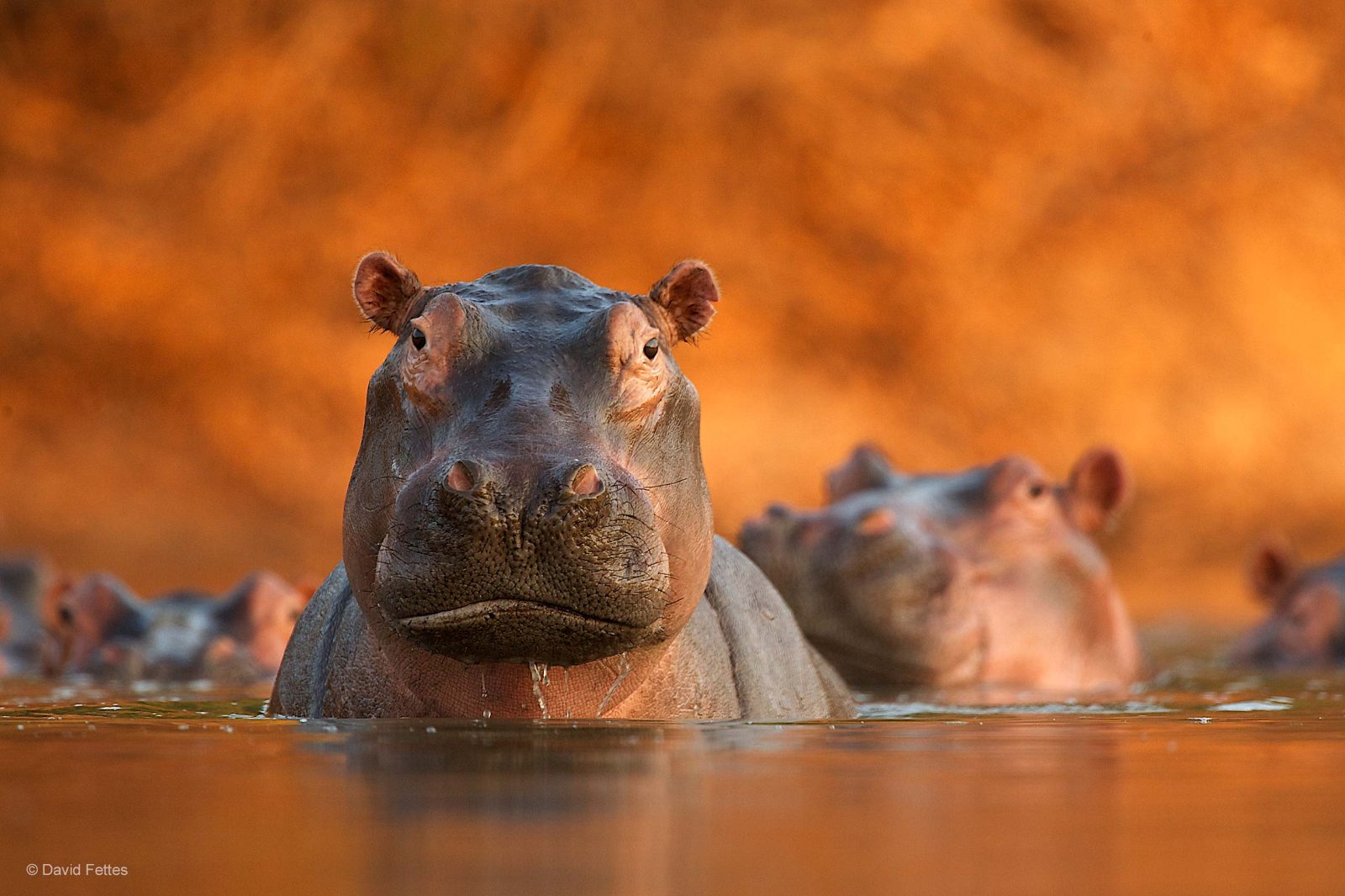
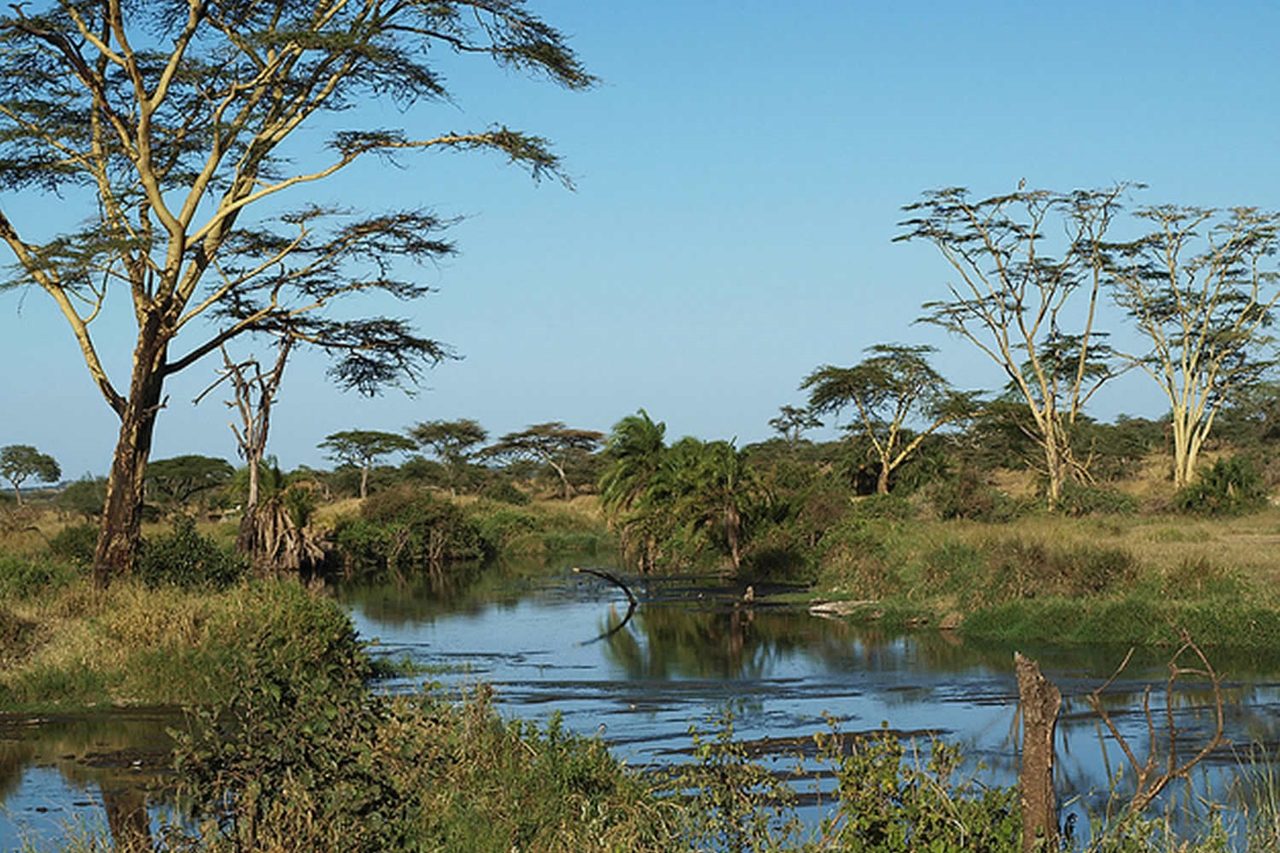
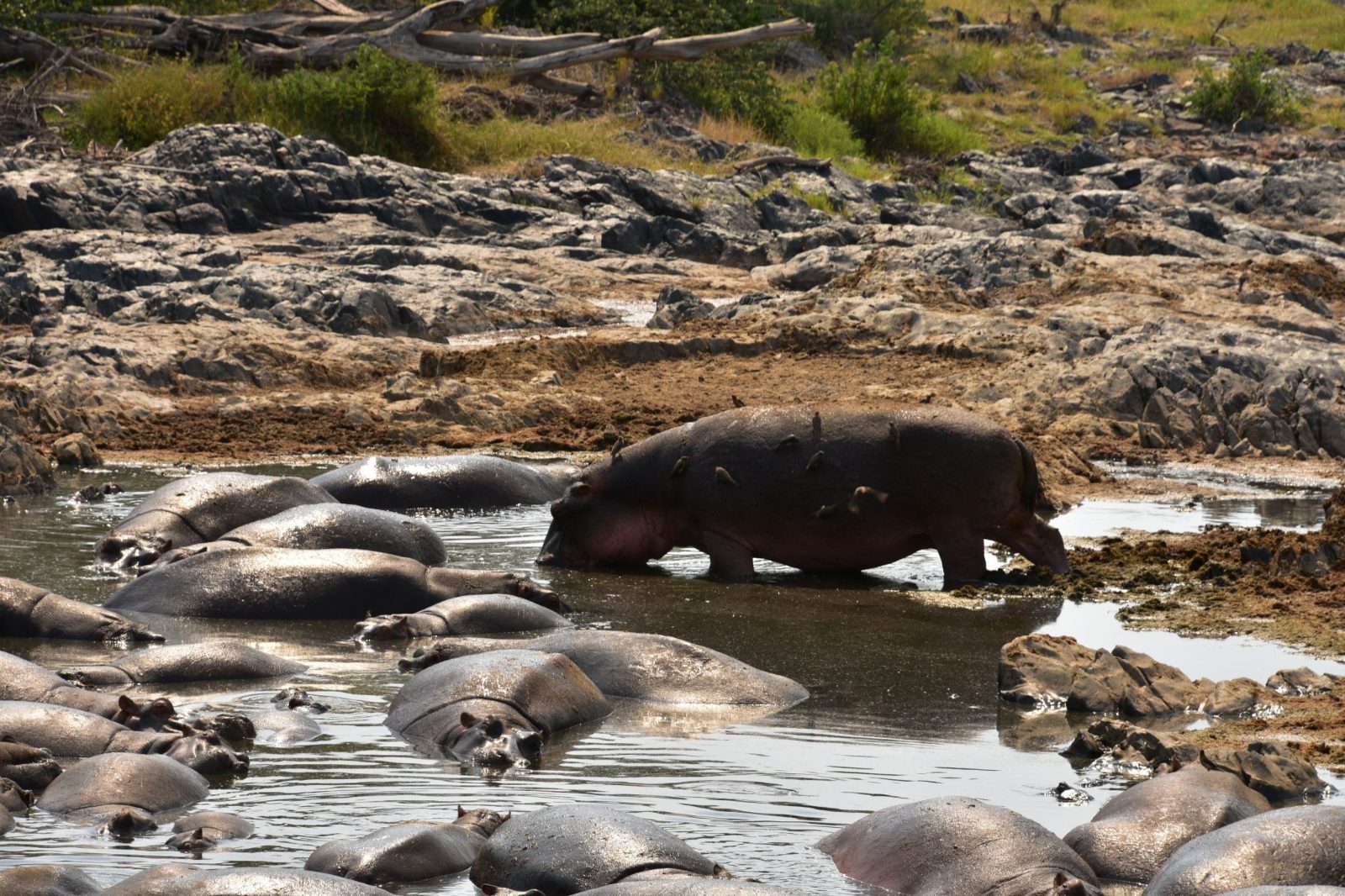
Large pool where hippos and crocodiles congregate along the Seronera River.
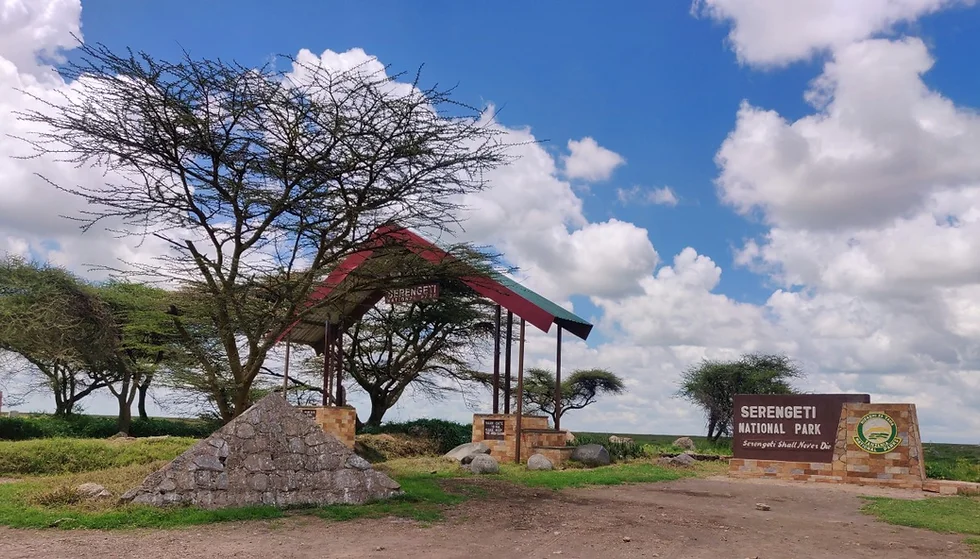
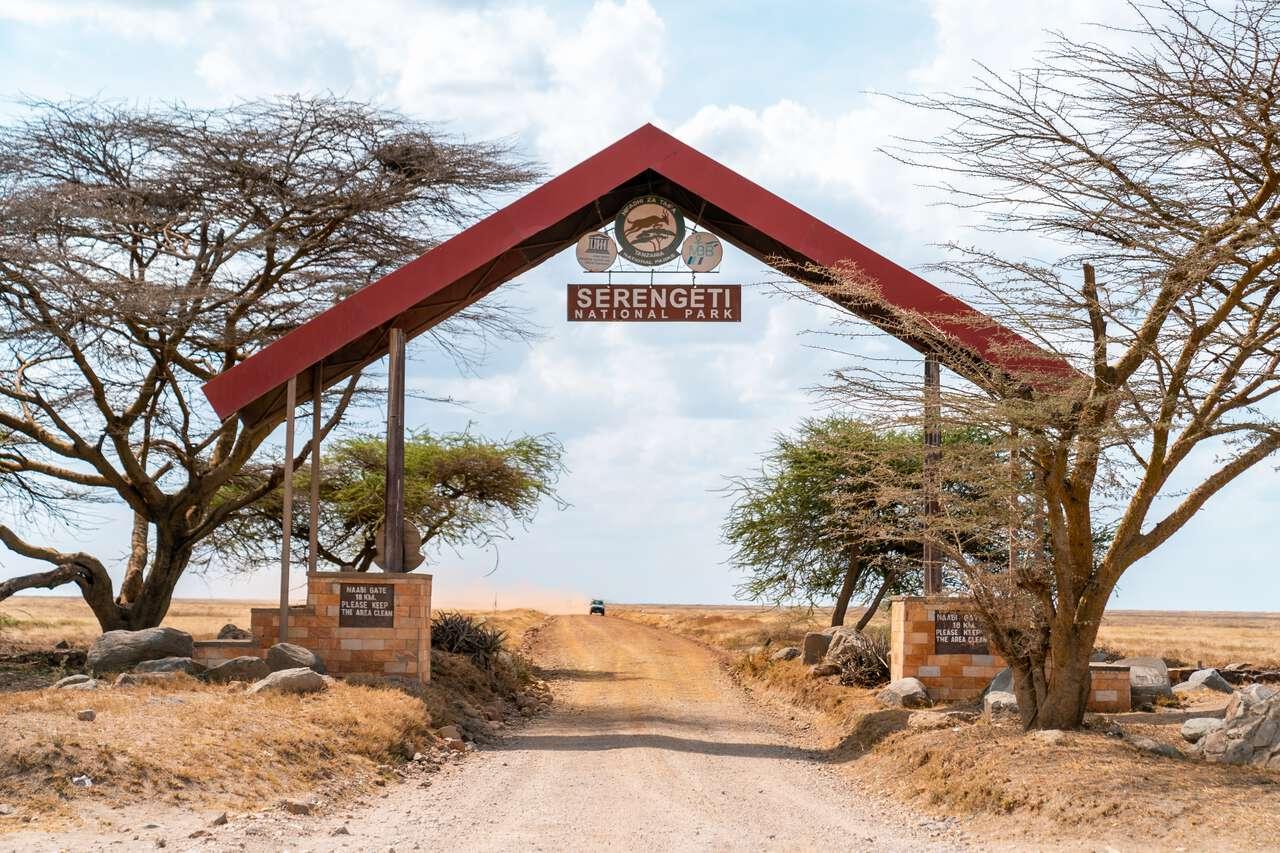
The main entry point featuring expansive views and a scenic walking trail.
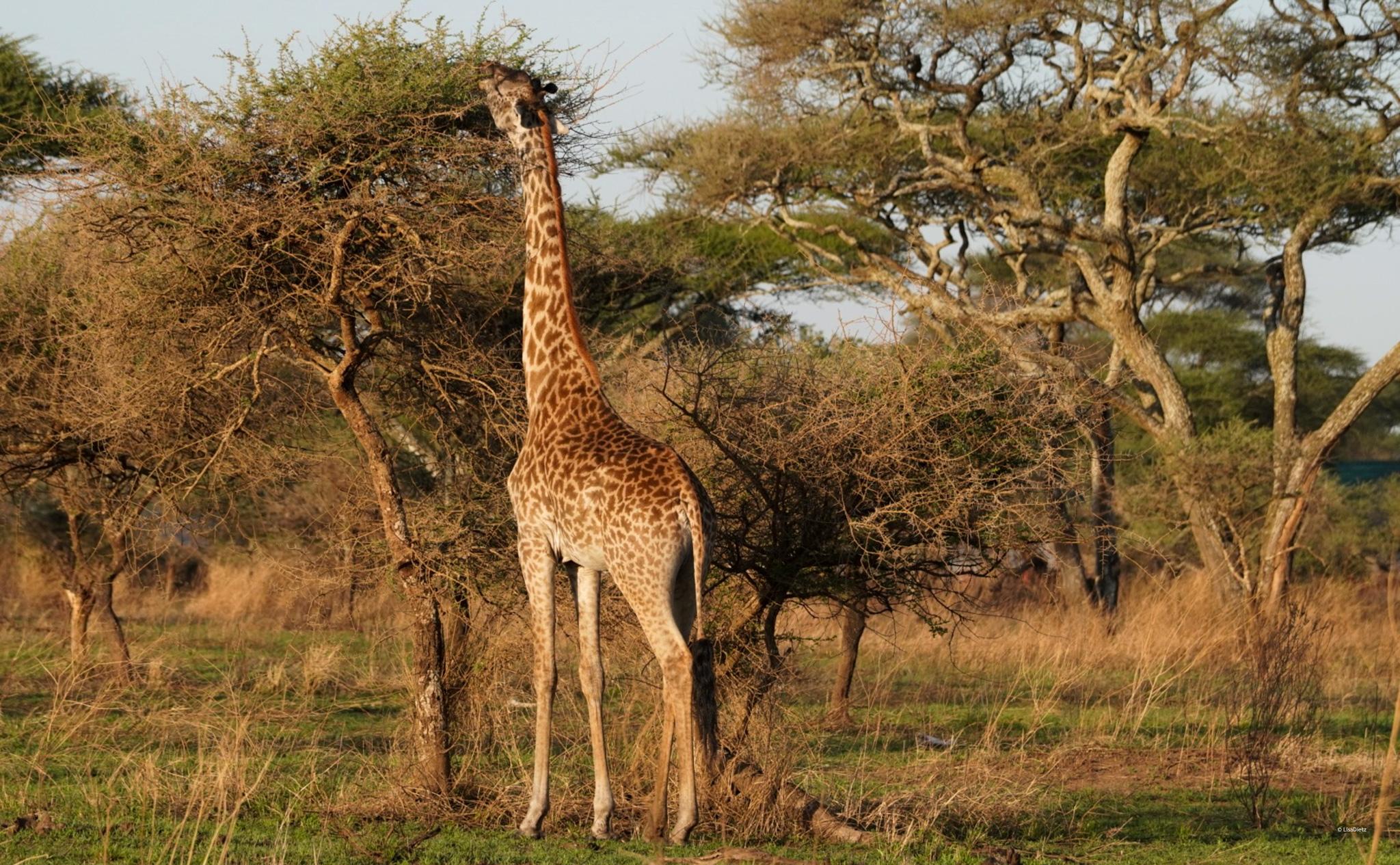
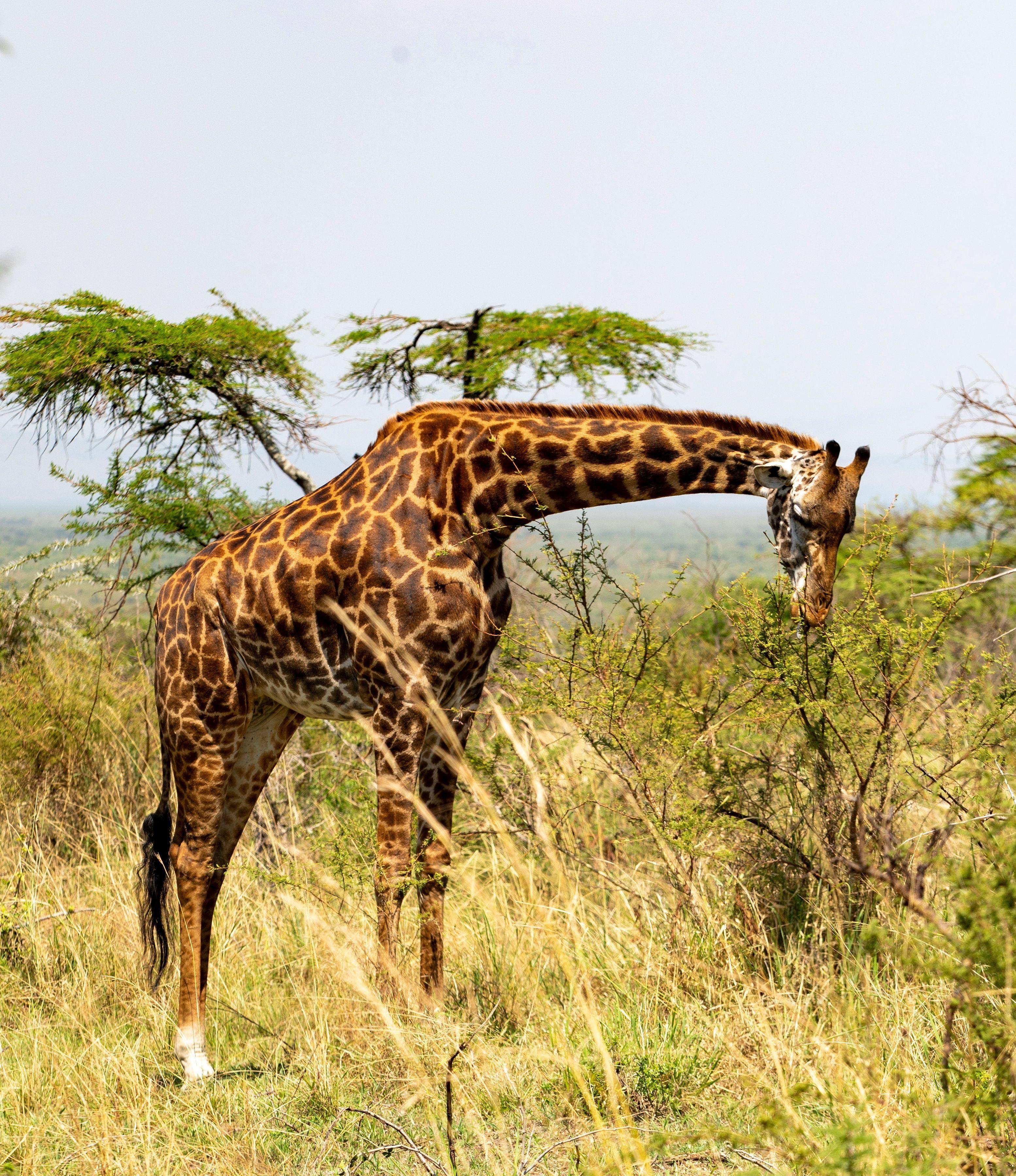
You enter through Naabi Hill Gate as the sun clears the horizon, the track ahead cutting through whistling-thorn acacia where giraffe browse at canopy height.
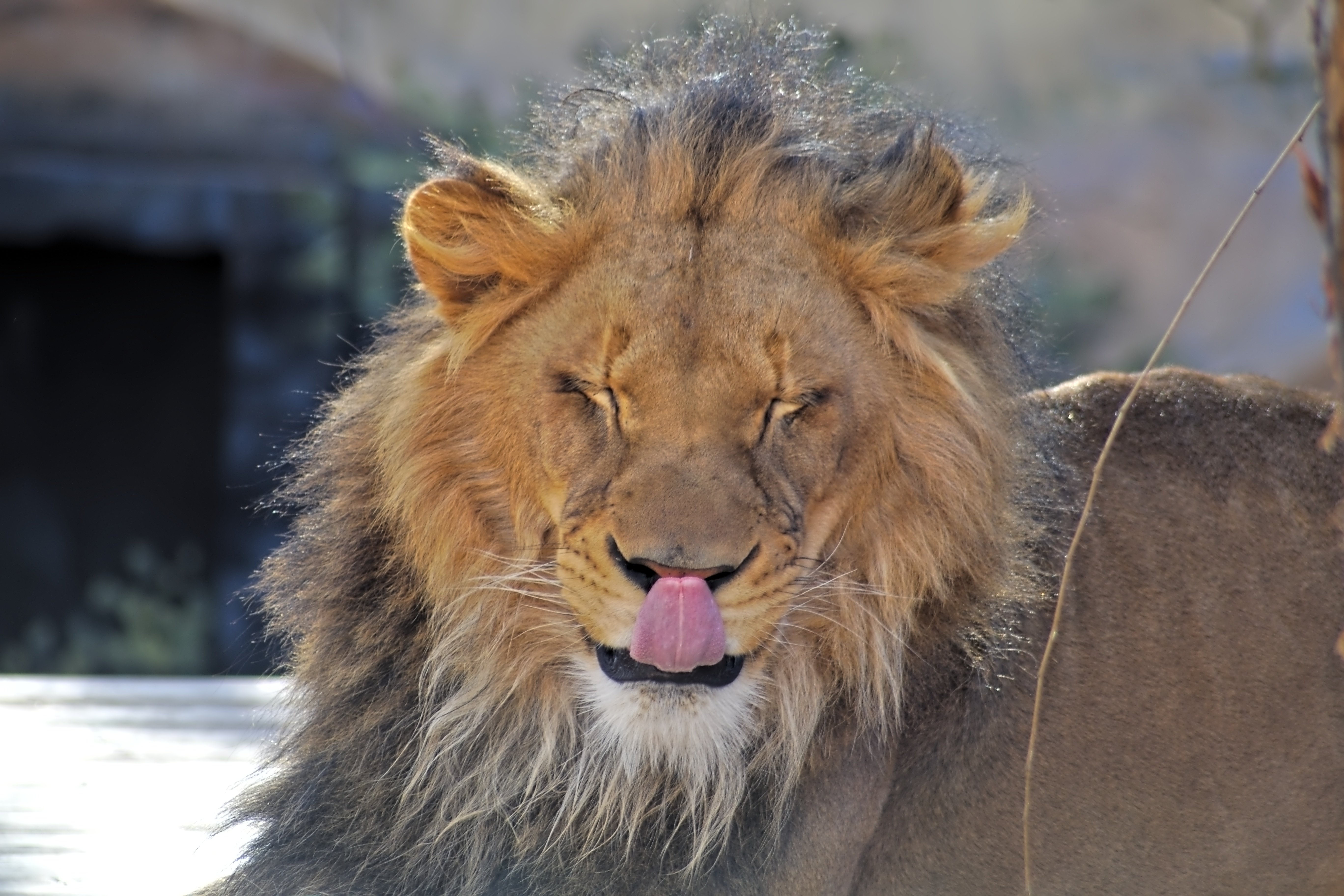
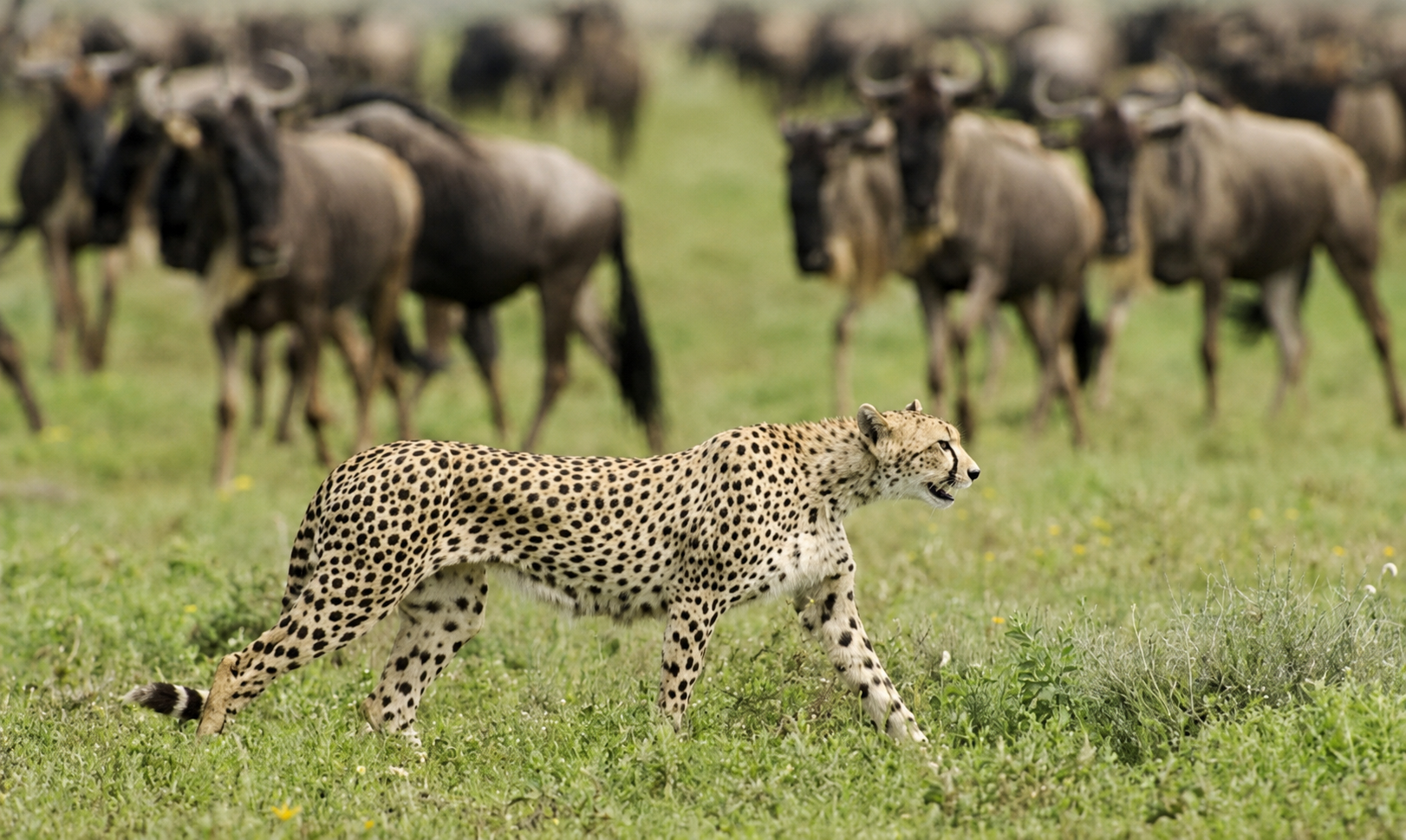
Your guide points left: a coalition of three male cheetahs rests in the shade of a flat-topped acacia, their amber eyes tracking a herd of Thomson's gazelle two hundred metres distant. You continue north into the Seronera Valley, stopping where a pride of eleven lions sprawls beside a downed buffalo, flies thick over the carcass. The vehicle idles; you count six cubs tugging at the ribs.
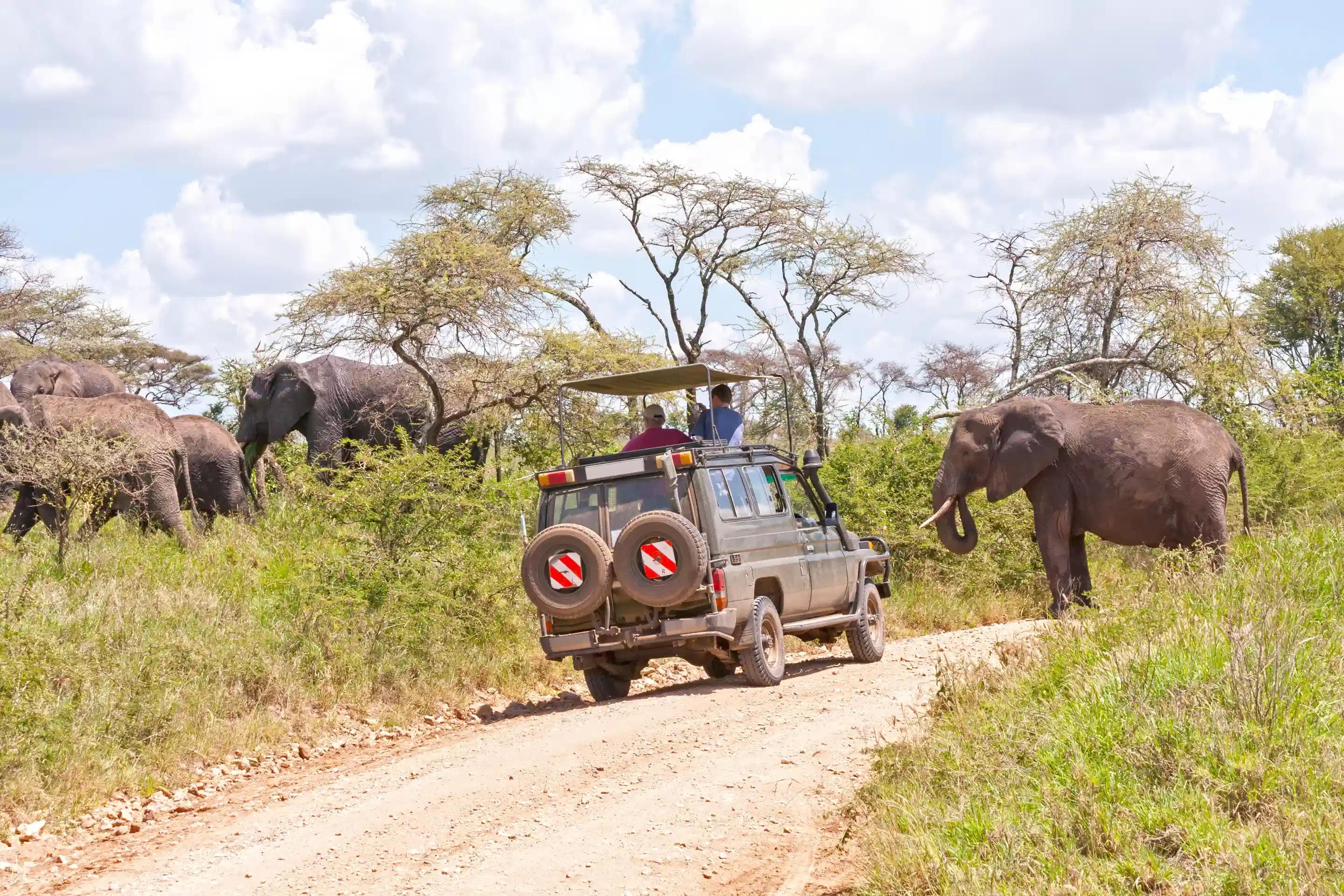
Mid-morning you reach a kopje cluster where a leopard drapes itself along a granite ledge, tail twitching as it watches the plain below. You photograph from fifteen metres, the big cat unbothered. By noon you are at the hippo pools along the Seronera River, dozens of animals submerged to their ears, grunting and jostling for position. You eat a packed lunch under a sausage tree while vervet monkeys watch from the branches.
The afternoon drive takes you west toward the Grumeti, where elephant herds dig for tubers in the dry riverbed. At 17:30 your guide turns back toward camp; the gates close at 18:00 and night driving is prohibited. You arrive as the plains turn gold, the day's dust settling behind you.
All the details about your upcoming adventure in one place
Serengeti National Park protects 14,763 square kilometres of acacia-studded savanna where 1.5 million wildebeest complete their annual migration circuit alongside 250,000 zebra and half a million Thomson's gazelle.
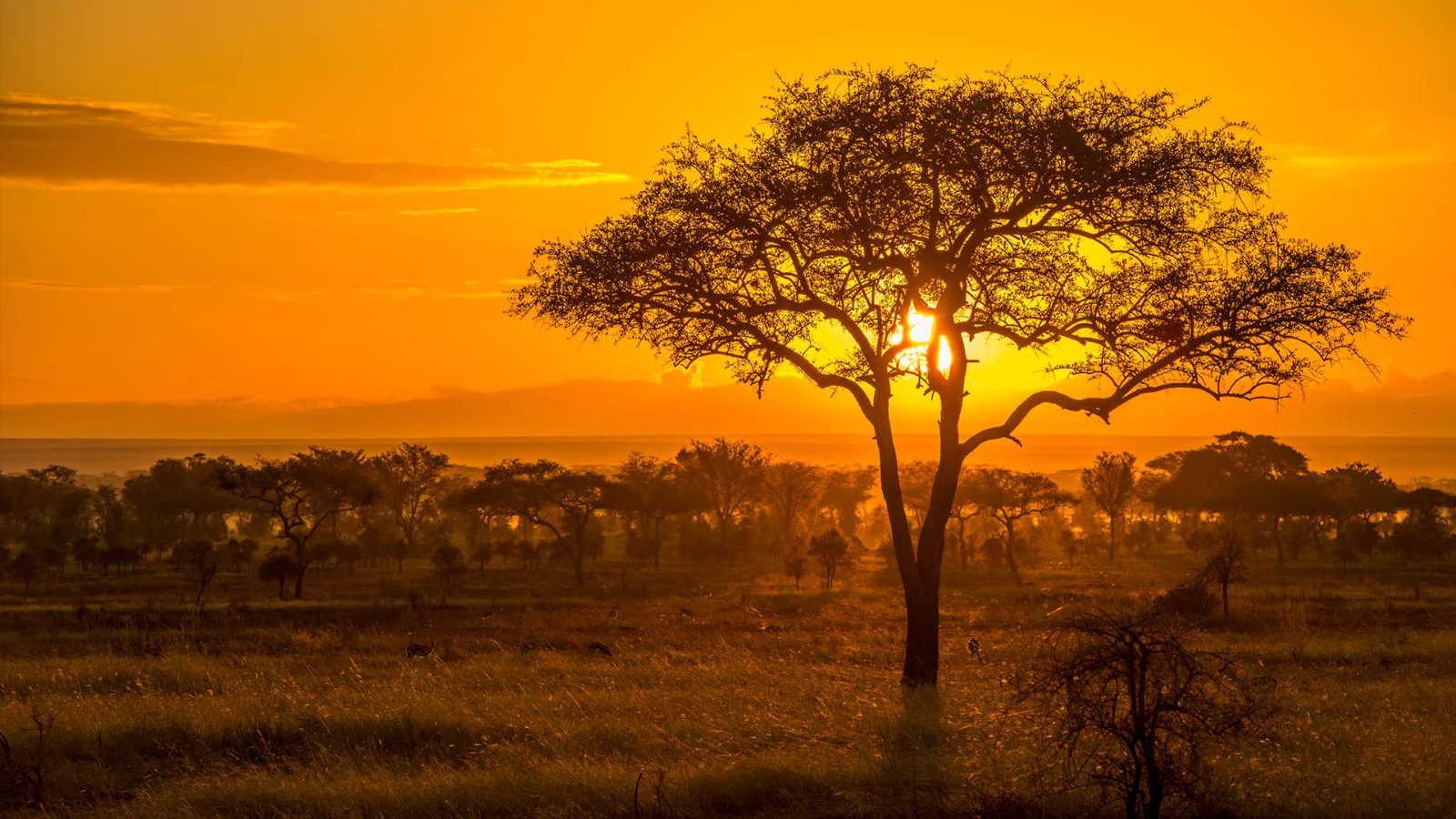
Established in 1951 and designated a UNESCO World Heritage Site in 1981, the park anchors Tanzania's Northern Safari Circuit and sustains East Africa's largest population of lions—an estimated 3,000 individuals distributed across prides that follow the herds. The name derives from the Maasai siringet, meaning "endless plains," a description that holds when you stand at dawn in the Seronera Valley and watch the grassland roll unbroken toward Kenya's Maasai Mara Reserve.
Serengeti National Park tours packages typically span three to four days, pairing game drives through the central Seronera corridor with overnight camps in Ngorongoro Crater or Tarangire. The park's ecology divides into distinct zones: the short-grass plains of the south host calving season from January through March; the Western Corridor channels the migration's river crossings at Grumeti between May and July; the northern woodlands see the Mara River crossings from August through October. Each zone supports different predator densities. Leopards favour the granite kopjes that punctuate the Moru and Gol ranges. Cheetahs hunt the open southeastern plains where visibility extends for kilometres. Nile crocodiles concentrate below the Mara's steep banks, timing their ambushes to coincide with the herds' return south.
Balloon safaris launch before sunrise from the Seronera airstrip, drifting over the Grumeti and Mbalageti river systems for sixty minutes before landing for a bush breakfast beneath fever trees. The conservation fee of 83 USD per adult per 24-hour period funds anti-poaching patrols operated by Tanzania National Parks Authority and supports the park's 120-strong ranger corps. Four-wheel-drive access is mandatory; the black cotton soil turns impassable after rain. Gates open at 06:00 and close at 18:00. Arrival before 09:00 increases sightings of nocturnal predators returning from hunts. The dry season from June through October compresses wildlife around permanent waterholes, simplifying tracking but intensifying vehicle congestion near popular sites.
The name derives from the Maasai siringet, meaning endless plains, a description that holds when you stand at dawn in the Seronera Valley and watch the grassland roll unbroken toward Kenya.
Wear neutral-colored, breathable clothing to blend into the environment and minimize dust visibility. Pack a warm layer for early morning game drives as temperatures can drop significantly.
All bags are subject to inspection at park entry points. Keep essential documents and valuables on your person rather than in vehicle storage.
Photography is permitted; however, maintain a respectful distance from wildlife. Do not use drones or flashes that may disturb the animals.
Families are welcome, though children must be supervised at all times due to the presence of wildlife. Ensure your Serengeti National Park tours packages itinerary accommodates young travelers with shorter drive times.
Most Serengeti National Park tours packages require navigating off-road terrain. Vehicles must be equipped for rugged tracks, and physical mobility may be limited at remote stop points.
Carry sufficient water for the duration of your game drive. Consumption of food is restricted to designated picnic areas or your accommodation to prevent animal attraction.
Opening Hours
06:00–18:00
Address
Serengeti National Park, Mara and Simiyu Regions, Northern Tanzania
Accessibility
Terrain is rugged and primarily accessible via safari vehicle
Arrival
06:00–15:00
Storage
Not available at park gates
Navigation
Follow designated game viewing tracks
Car · 7-9 hours · Vehicle rental and park entrance fees required
Drive from Arusha via Ngorongoro Conservation Area
Flight · 1 hour · Available from Arusha or Dar es Salaam
Fly into Seronera Airstrip via light aircraft
Cancellations must adhere to the terms provided by your specific tour operator. The conservation fee of 83 USD per non-resident adult per 24 hours is non-refundable once processed by park authorities.
Recommended time
3-4 days
To fully experience the landscape, most visitors select multi-day serengeti national park tours packages to account for the vast distances between game drive circuits. Arriving within the best arrival window of 06:00–15:00 ensures you maximize wildlife viewing opportunities before the gates close at 18:00. While many travelers search for short serengeti national park tours packages tours, the expansive nature of the savannah requires extended time to track predators and herds effectively. You can secure your serengeti national park tours packages tickets for entry between 06:00–18:00 daily, though early morning departures are standard for those hoping to witness peak activity at the waterholes. Planning your serengeti national park tours packages tour requires balancing travel time between sectors with the desire to observe the migration in natural habitats.
Crowd levels through the day
Weather · crowds · average price — dots go green to amber to red as each metric rises.
Ideal for the calving season in the southern plains. Large concentrations of wildebeest attract predators during this period.
The dry season provides exceptional wildlife viewing. Animals congregate around permanent water sources, making them easier to spot.
The short rains bring greenery back to the landscape. This is a prime season for bird watchers observing migratory species.
Warm temperatures and the start of the migration return. Book Serengeti National Park tours packages early for peak demand dates.
Keep vehicle engines turned off when observing animals to minimize noise. Follow the lead of your guide regarding safe distance.
Cover camera equipment and personal gear with a dust-proof bag when not in use. The dry season creates significant airborne debris.
The Serengeti ecosystem supported nomadic pastoralists for centuries before colonial interest shifted its fate. In 1891, German explorer Oscar Baumann documented vast herds migrating across the plains, marking the first European record of what would become the world's most studied wildlife spectacle. The British colonial administration established a partial game reserve in 1929, covering 228,600 hectares in the southeast region, driven by declining lion populations and ivory poaching pressures. Serengeti National Park officially gained protected status in 1951 under British oversight, displacing Maasai communities who had coexisted with the wildlife for generations. The displacement of roughly 1,000 Maasai families between 1951 and 1959 remains the park's most contested legacy. Conservationists argued that livestock competed with wild ungulates for grazing; Maasai leaders countered that their rotational grazing had sustained the ecosystem for centuries. The newly independent Tanzanian government under Julius Nyerere expanded the park to 14,763 square kilometers in 1961, prioritizing tourism revenue over indigenous land claims. Dr. Bernhard Grzimek's 1959 documentary Serengeti Shall Not Die galvanized international funding and established the Serengeti as a conservation symbol, though his aerial surveys contributed to the narrative that dismissed human presence as incompatible with wilderness. Serengeti national park tours packages evolved from elite hunting safaris in the 1960s to mass-market wildlife viewing by the 1990s, when Tanzania National Parks Authority formalized the gate infrastructure that still operates today. The park achieved UNESCO World Heritage status in 1981, recognizing both the annual wildebeest migration and the intact predator-prey dynamics. Conservation fees introduced in 1993 now fund anti-poaching units and community outreach programs, though boundary conflicts over land access persist. Today over 350,000 visitors annually traverse circuits first mapped by 1970s researchers, following migration patterns documented since Grzimek's pioneering counts.
Oscar Baumann provides first European documentation of Serengeti wildlife migrations
British colonial government establishes partial game reserve covering 228,600 hectares
Serengeti officially designated national park under British administration
Bernhard Grzimek releases Serengeti Shall Not Die, securing international conservation funding
Independent Tanzania expands park to 14,763 square kilometers, displacing final Maasai settlements
UNESCO grants World Heritage status recognizing wildebeest migration and predator ecosystems
Conservation fee structure introduced to fund anti-poaching and community programs
Serengeti national park tours packages transition to year-round accessibility with improved gate infrastructure
Capture the dense gathering of hippos from the designated viewing area where the mud-filled waters provide high-contrast shots against the savanna backdrop.
This central region offers the chance to photograph leopards resting in acacia trees or lions patrolling the grasslands along the watercourse.
Scale the granite rock formations to gain an elevated perspective of the plains, ideal for documenting the vast scale of the ecosystem included in many serengeti national park tours packages.
Climb the stone pathway to the summit of this kopje for a panoramic vista of the golden grass plains stretching toward the horizon.
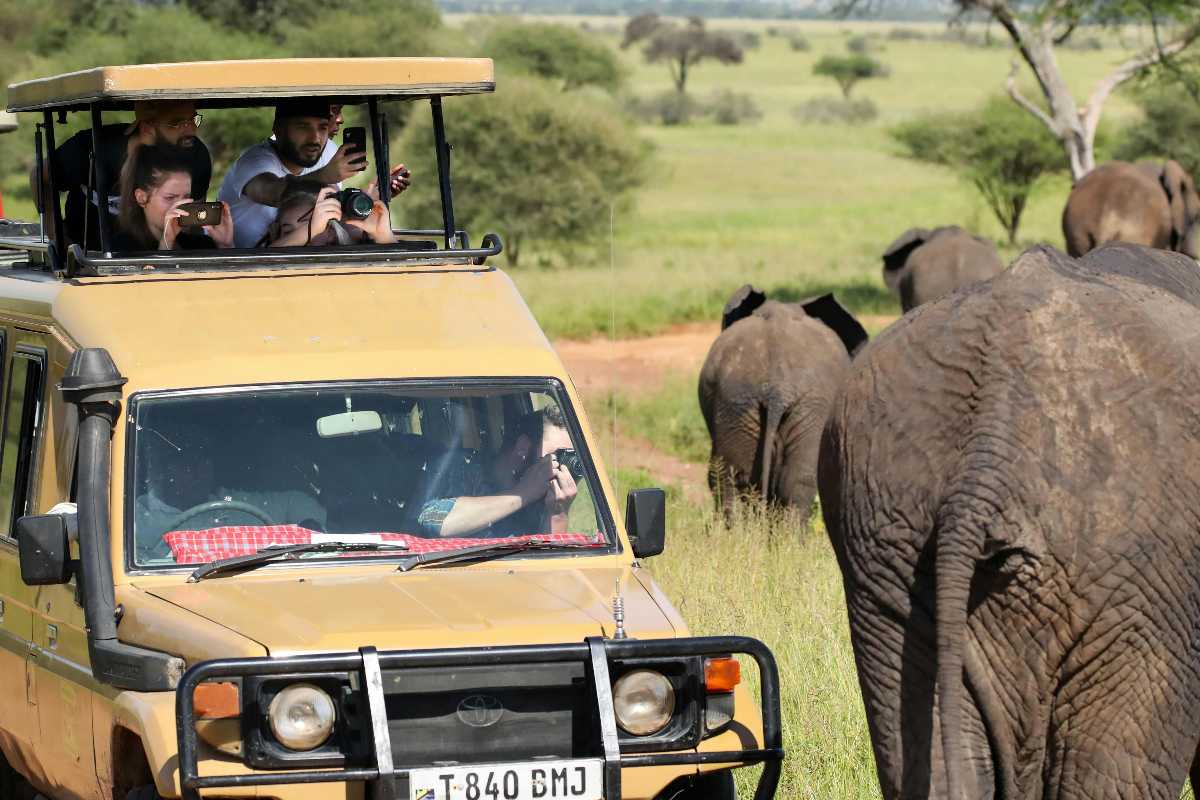
Position yourself near the riverbanks to photograph the dramatic wildlife movements often featured in a Serengeti wildlife safari tour.
Planning a trip with children requires careful logistical preparation to ensure a smooth safari experience. Families often choose from various serengeti national park tours packages to navigate the vast ecosystem safely.
Strollers are not practical on safari vehicles or rugged terrain, so prioritize soft-structured carriers for infants and toddlers. Always confirm that your chosen serengeti national park tours packages tours include vehicles with secure seating and shade for young passengers.
Children aged six and older generally gain more from the extended game drives and wildlife observation opportunities. Review specific serengeti national park tours packages tickets to see if operators offer child-friendly educational engagement for younger guests.
Most remote locations lack standard baby-change facilities, so bring portable changing pads and ample supplies for the duration of your stay. When booking a serengeti national park tours packages tour, verify that your lodge or camp provides family-friendly amenities.
Wildlife viewing is most active during the early morning and late afternoon, so plan for midday rest periods at your accommodation. Arriving during the best arrival window of 06:00–15:00 helps you settle in before the 18:00 gate closure.
Dining options near the primary trails of Serengeti National Park tours packages range from formal lodge environments to remote bush settings. Travelers booking Serengeti national park tours packages tours often find meals integrated into their itineraries, as there are no public street-side restaurants within the park boundaries.
Offers full-service dining with expansive savanna views; reservations are essential for those arriving on Serengeti national park tours packages tour itineraries.
Located on the Mbalageti River, this venue provides buffet-style lunches and dinners perfect for groups holding Serengeti national park tours packages tickets.
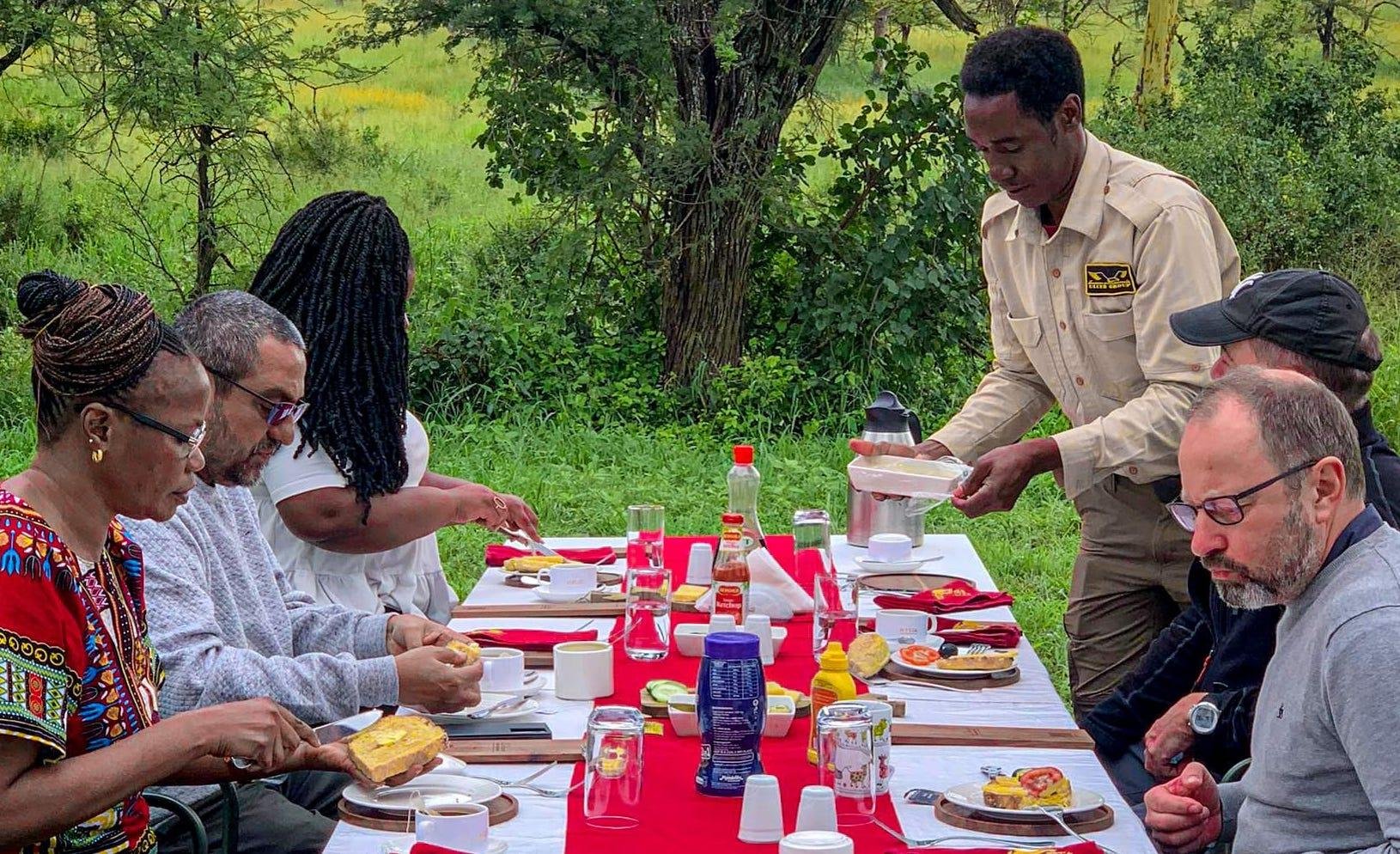
Provides an immersive culinary experience in the heart of the wilderness, often serving hot breakfasts and prepared multi-course dinners to guests on game drives.
Everything you need to know for your journey
The park is open daily from 06:00–18:00. Arriving between 06:00–15:00 maximizes your time in the park.
Yes, the conservation fee is 83 USD per non-resident adult per 24 hours, inclusive of 18% VAT.
The dry season from June to September is highly recommended for optimal wildlife viewing during your safari.
Yes, children are welcome, but they must be supervised by adults at all times while in the park.
No, drones are strictly prohibited to protect the wildlife and maintain the tranquility of the park.
Pack neutral-colored clothing, binoculars, sunscreen, a hat, and plenty of water.
You can reach the park by driving from Arusha or by taking a flight to one of the park's internal airstrips.
Yes, photography is permitted provided you keep a respectful distance and do not disturb the animals.
Cancellations are subject to the specific terms of your tour operator, with the conservation fee being non-refundable.
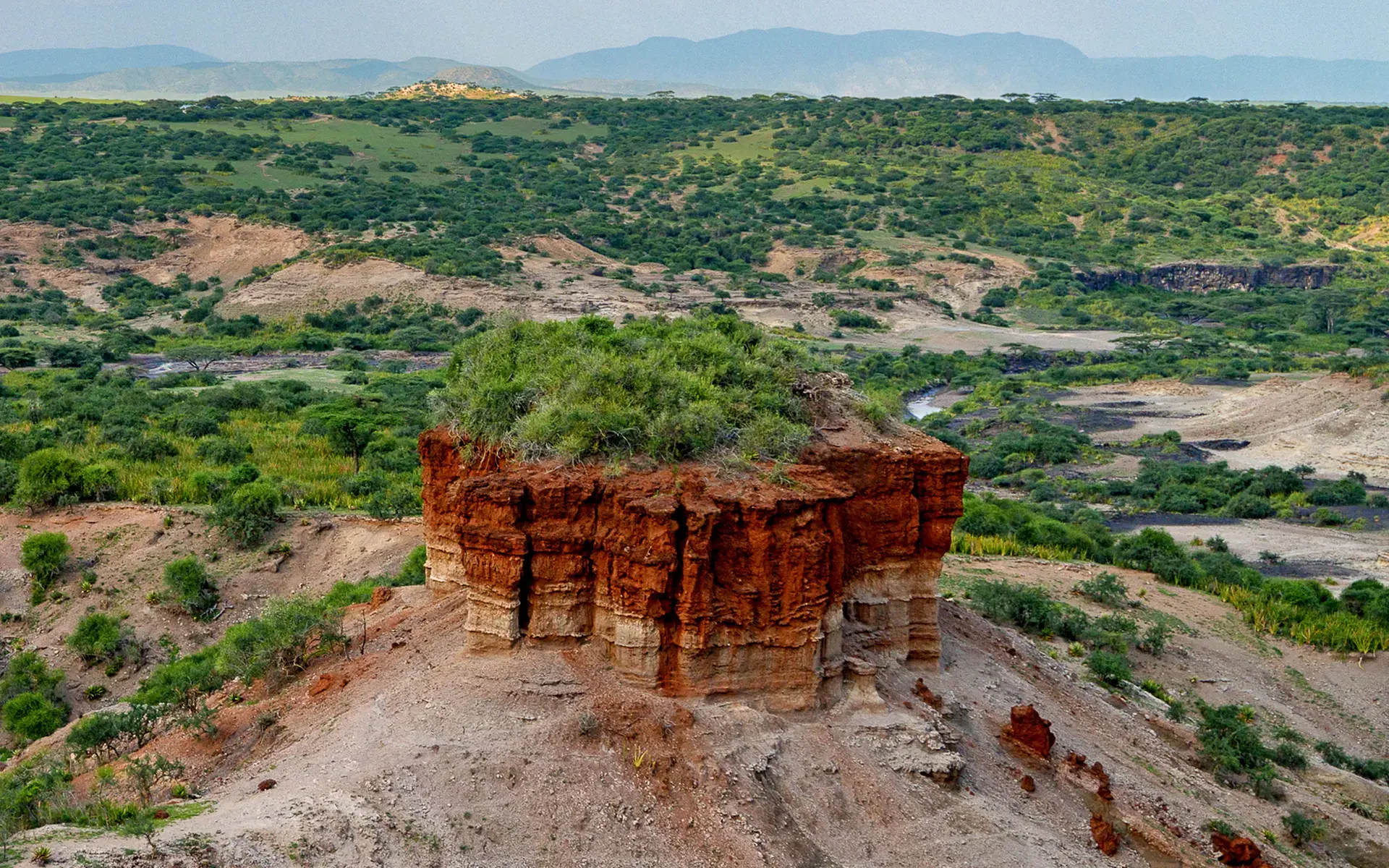
Famous paleoanthropological site showcasing early human history
Observation spot for large pods of hippos in the Seronera River
Granite rock formations favored by lions and leopards
Educational displays about the Serengeti ecosystem
Located in the heart of the park with panoramic views
High-end glamping experience in the central Serengeti
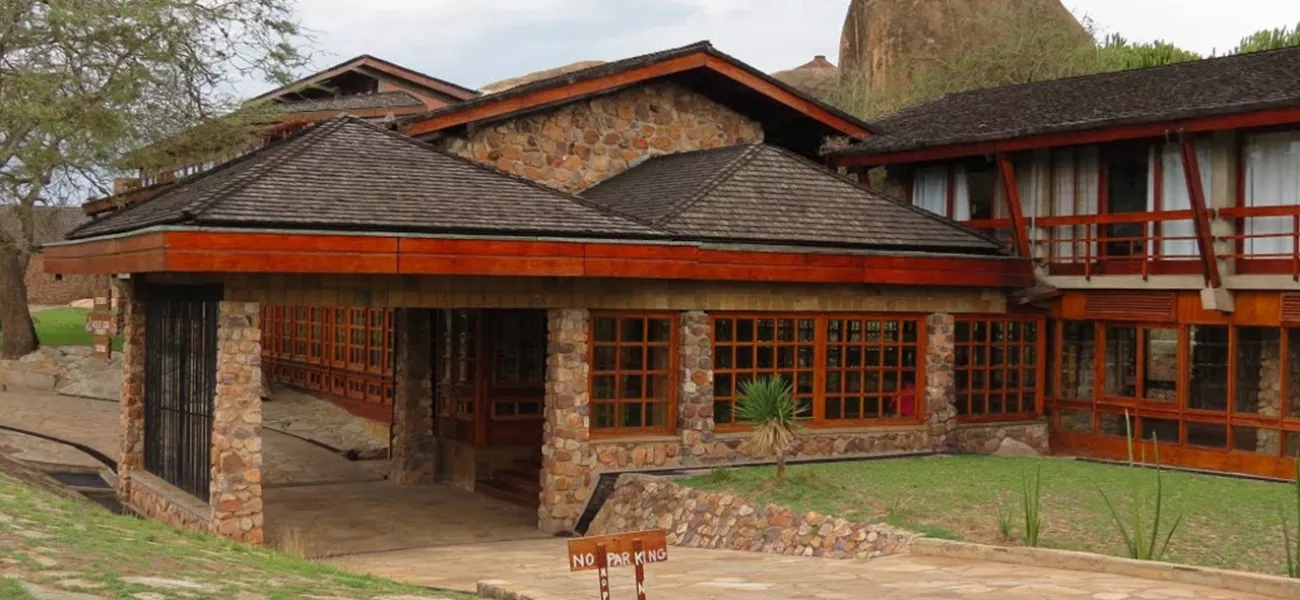
Comfortable lodge overlooking the Grumeti reserves
Join thousands of happy travelers who have discovered this incredible experience
Book Your Experience Now