

Quick answer
Serengeti National Park weather follows two distinct seasons: a long dry season from June through October with daytime temperatures of 24–27°C and minimal rain, and a wet season from November through May split into short rains (November–December) and long rains (March–May). The dry months offer the most predictable wildlife viewing and easiest travel conditions, while the green season brings dramatic skies, fewer visitors, and concentrated predator activity around remaining water sources.
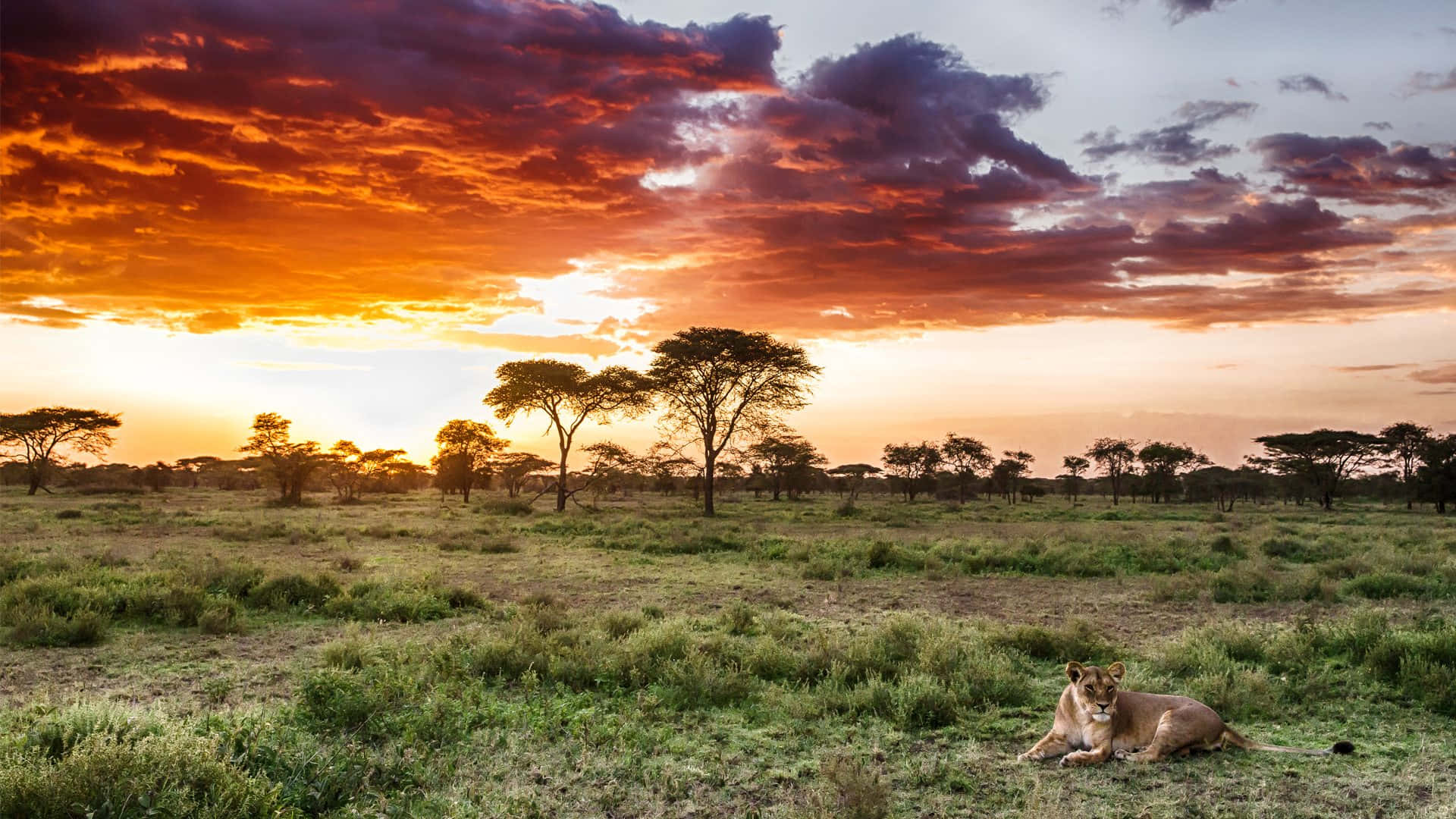
The Serengeti straddles the equator, which means it experiences relatively stable temperatures year-round but dramatic seasonal shifts in precipitation that dictate wildlife movements across its 14,763 square kilometers. These rainfall patterns create the ecological rhythm that drives the Great Migration and determines when different regions of the park become accessible or impassable. From June through October, the dry season brings clear skies and cooler nights that can drop to 14°C, requiring layered clothing for early morning game drives that depart at 06:00. Vegetation thins out during these months, concentrating herbivores around the Grumeti and Mara rivers in the western and northern corridors. Dust becomes a factor by August and September, particularly in the central Seronera plains, where fine particles coat vehicles and equipment. The dry months coincide with peak visitation, as wildlife viewing reaches maximum reliability and unpaved roads remain firm and navigable. The wet season unfolds in two phases. Short rains arrive in November and December, greening the southern plains and triggering the migration's southward movement toward the Ndutu region. These showers are typically brief afternoon storms that clear quickly, leaving dramatic cloud formations over the grasslands. The long rains from March through May bring heavier, more sustained precipitation that can render some tracks impassable and temporarily close certain camps. April sees the highest monthly rainfall, averaging 150–200mm, which transforms the landscape into a verdant expanse but challenges road access in the remote western reaches near Lake Victoria. Temperature variation matters less than rainfall when planning, as daytime highs remain warm throughout the year. However, altitude differences within the park create microclimates—the higher-elevation eastern plains near Ngorongoro run several degrees cooler than the lowland western corridor. Visitors arriving during the green season encounter lower park fees at some lodges, dramatically reduced vehicle density at sighting locations, and exceptional birding as migrant species flood in from Eurasia. The tradeoff involves muddy conditions and wildlife dispersed across vast territories, making individual animal encounters less predictable but often more rewarding when they occur.
“The Serengeti's rainfall patterns create the ecological rhythm that drives the Great Migration and determines when different regions become accessible or impassable.”
Daily Operations and Serengeti National Park Weather Considerations
Serengeti National Park operates daily throughout the year to accommodate visitors. These hours allow for strategic game drive planning around daily weather variations.
| monday | 06:00–18:00 | |
|---|---|---|
| tuesday | 06:00–18:00 | |
| wednesday | 06:00–18:00 | |
| thursday | 06:00–18:00 | |
| friday | 06:00–18:00 | |
| saturday | 06:00–18:00 | |
| sunday | 06:00–18:00 |
Reaching the Park: Logistics and Serengeti National Park Weather Impact
Serengeti National Park is located in Northern Tanzania, accessible primarily by light aircraft or 4x4 vehicles from Arusha. Access routes are heavily influenced by seasonal rainfall, which can render unpaved roads within the park difficult to navigate.
Road B144 from Arusha via Ngorongoro Conservation Area
Regional flight from Arusha Airport to Seronera Airstrip
Chartered 4x4 transfer from Mwanza
Packing Checklist for Serengeti National Park Weather and Terrain
The Serengeti's open plains and variable weather demand gear that handles sun, wind, and temperature swings from dawn through dusk.
-
Pack neutral-toned clothing in layers — Mornings start cool (10–15°C), afternoons reach 25–30°C, and layering lets you adjust without disrupting wildlife viewing.
-
Bring a wide-brimmed hat and high-SPF sunscreen — The equatorial sun is intense at altitude, and game drives offer minimal shade for hours at a time.
-
Include a windproof jacket or fleece — Early morning and evening drives expose you to strong winds that drop the perceived temperature quickly.
-
Wear closed-toe shoes with ankle support — Terrain includes uneven ground and tall grass; open sandals invite dust, insects, and injury during walking safaris.
-
Carry polarized sunglasses and a dust bandana — Dry season roads kick up fine alkaline dust that irritates eyes and lungs, especially during long drives.
-
Pack binoculars and a camera with a zoom lens — Wildlife viewing distances vary widely, and quality optics make the difference between identifying species and seeing distant shapes.
Check availability
Frequently Asked Questions About Serengeti National Park Weather
Everything you need to know about serengeti national park weather