

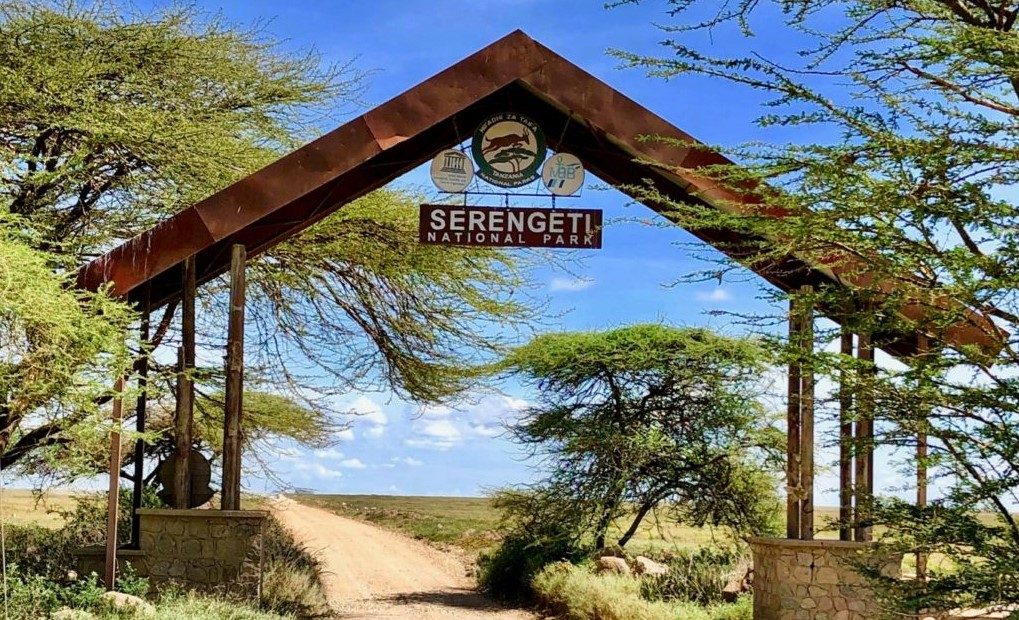
Quick answer
The Serengeti National Park entrance fee is 83 USD per adult per 24 hours, inclusive of 18% VAT. This conservation fee grants access to the entire park from the moment of payment and resets at the same time the following day. Children ages 5–15 pay reduced rates, while those under 5 enter free. All fees are collected at park gates and support wildlife protection, anti-poaching operations, and habitat management across the 14,750-square-kilometer ecosystem.
Every vehicle that rolls through a Serengeti gate triggers a revenue stream that flows directly into one of Africa's most scrutinized conservation budgets. Tanzania National Parks Authority uses these funds to employ over 500 rangers, maintain 3,400 kilometers of patrol roads, and operate anti-poaching units that respond to snare reports within hours. The fee structure itself reflects a tiered access model: international visitors pay the published conservation rate, East African residents receive a discount, and Tanzanian citizens enter at the lowest threshold. This graduated system spreads the financial load while keeping the park accessible to the communities that live alongside it. Payment happens exclusively at entry gates—Naabi Hill, Seronera, Ndabaka, Ikoma, and others scattered along the park's perimeter. Cash transactions in US dollars remain the most reliable method, though card readers have appeared at major gates since 2025. Receipts carry a timestamp that starts your 24-hour window, so a 10:00 AM entry on Monday grants access until 10:00 AM Tuesday. Multi-day safaris require sequential payments, and rangers at internal checkpoints verify that your receipt remains valid. The system is rigid by design: overlapping visits or extended stays without repayment trigger fines that exceed the original fee. The daily rate funds more than patrol salaries. Tanzania Parks reinvests entrance revenue into water-point maintenance for dry-season wildlife, road grading that prevents erosion, and veterinary units that treat injured animals. A portion underwrites community programs in the park's buffer zones—school construction, borehole drilling, and compensation schemes for livestock lost to predators. Critics note that tourism revenue has not eliminated poaching, but ranger-to-elephant ratios have improved since 2020, and wire-snare recoveries have dropped in the central Seronera corridor. The fee is not a donation; it is an operational cost tied to measurable outcomes. Budgeting for the Serengeti means accounting for daily cycles. A three-night safari incurs three separate fees, even if you remain inside the park boundaries. Some lodges include gate costs in package pricing, while mobile camps leave payment to the guest. Confirming what your booking covers prevents double-charging at the gate. The 83 USD rate applies per person, per calendar day, regardless of whether you spend two hours or twenty inside the reserve. Early arrivals maximize value—a 06:00 entry captures the full morning game drive and extends your window into the following dawn.
“A portion underwrites community programs in the park's buffer zones—school construction, borehole drilling, and compensation schemes for livestock lost to predators.”
Operating Hours and the Serengeti National Park Entrance Fee
Serengeti National Park operates on a consistent daily schedule to facilitate wildlife viewing throughout the year. The park gates are open every day of the week.
| Monday | 06:00–18:00 | |
|---|---|---|
| Tuesday | 06:00–18:00 | |
| Wednesday | 06:00–18:00 | |
| Thursday | 06:00–18:00 | |
| Friday | 06:00–18:00 | |
| Saturday | 06:00–18:00 | |
| Sunday | 06:00–18:00 |
Best Arrival Window for Serengeti National Park Entrance Fee Holders
Optimizing your visit involves aligning travel dates with the 24-hour conservation fee structure to ensure maximum wildlife exposure. Arriving within the best arrival window of 06:00–15:00 allows visitors to utilize the full duration of their permit while wildlife is most active.
Dry Season (June–October)
High concentration of visitorsCooler mornings, warm days (15°C–28°C)
Wildlife gathers around permanent water sources, increasing visibility along riverbeds.
Green Season (November–May)
Fewer visitorsWarm, humid with periodic rain (18°C–30°C)
Landscape is lush and serves as the calving season for many species.
Weekday Arrivals
Low density traffic—
Arriving on weekdays within the 06:00–15:00 window helps avoid peak weekend transit volume at park gates.
Verdict: For the best balance of wildlife density and permit utility, arrive at the gates between 06:00 and 15:00 during the months of June or October.
Reaching the Gates: Serengeti National Park Entrance Fee Logistics
Serengeti National Park is located in the Mara and Simiyu Regions of Tanzania. Access is primarily managed through designated entry gates accessible via regional road networks.
Road from Arusha to Naabi Hill Gate
Charter flight to Seronera Airstrip
Public transport from Arusha to Mugumu
Preparation Checklist for Serengeti National Park Entrance Fee Payment
Entry to Serengeti National Park requires specific documentation and payment readiness to process the conservation fee efficiently at the gate.
-
Carry valid passport or national ID — Park authorities verify identity for all visitors entering the protected area.
-
Bring credit card or sufficient USD cash — Conservation fees are payable by card or US dollars at entry gates.
-
Confirm your tour operator booking details — Pre-arranged safari bookings streamline entry processing and vehicle permits.
-
Print or save digital park permit — If entering independently, a Tanzania National Parks Authority permit expedites gate clearance.
-
Arrive with vehicle registration documents — Drivers must present valid registration and insurance for vehicles entering the park.
-
Keep yellow fever vaccination certificate accessible — Tanzania may require proof of vaccination depending on your travel history.
Check availability
Frequently Asked Questions About Serengeti National Park Entrance Fee
Everything you need to know about serengeti national park entrance fee