72 hr
3-Day Serengeti & Ngorongoro Crater Big Five Safari
- Expert local guide
- Small group
- Skip-the-line access
- Free cancellation
Serengeti National Park — Full-Day Safaris & Balloon Adventures
Track the Great Migration across endless plains, witness predator drama at dawn.
Compare fares, pick the fit — all bookings are mobile-voucher and eligible for free cancellation where shown.
72 hr
24 hr
5 hr
| Experience | Duration | Rating | Pickup | Skip-the-line | Guide | Free cancel. | Price | |
|---|---|---|---|---|---|---|---|---|
|
Guided Experience
Most popular
3-Day Serengeti & Ngorongoro Crater Big Five Safari
|
72 hr | ★ 4.8 | ✓ | ✓ | ✓ | ✓ | €791 | Book → |
|
Guided Experience
Full-Day Serengeti Safari from Mwanza
|
24 hr | ★ 5.0 | ✓ | ✓ | ✓ | ✓ | €571 | Book → |
|
Standard Entry
Serengeti Dawn Balloon Safari with Bush Breakfast
|
5 hr | ★ 4.2 | ✓ | — | — | ✓ | €526 | Book → |
Worth it with multi-day commitment only
A serengeti national park day trip from distant entry points like Arusha or Mwanza demands realistic expectations about travel-to-wildlife ratios. The 83 USD park entry fee per 24 hours covers access to 14,763 square kilometers of savanna habitat—home to the Great Migration corridor, resident lion prides, and cheetah populations—but single-day logistics rarely deliver proportional value. Full-day Serengeti safari tours from Mwanza require 4–5 hours of road transfer each direction, compressing game drives into a narrow midday window when many species retreat to shade. Balloon safari options add aerial perspective but layer costs atop the base entry without extending ground time. The investment pays dividends for travelers booking 3-day or 4-day Tanzania camping safari packages that include Ngorongoro Crater and Tarangire—spreading the per-day cost across multiple parks while maximizing early-morning and late-afternoon wildlife activity windows. Solo day-trippers face diminishing returns: high per-hour costs, rushed sightings, and minimal flexibility to track animal movements across the plains.
Bottom line: Book serengeti national park day trip tickets only within multi-day itineraries that justify the travel investment and entry cost.
They complement each other; most visitors who do both call the Ngorongoro Crater the more efficient option for a short-term safari while the Serengeti National Park offers a grander, more open-ended adventure. A serengeti national park day trip tour is perfect for those prioritizing vast landscapes, while crater visits provide dense wildlife sightings in a compact area.
|
Top pick Serengeti National Park |
Ngorongoro Crater | |
|---|---|---|
| Primary focus | Endless plains and migration | Dense wildlife in a volcanic bowl |
| Best for | Multi-day wilderness immersion | Quick high-density wildlife sightings |
| Distance from Arusha | Far (extended drive) | Nearer (accessible for day trips) |
| Wildlife density | Seasonal distribution | Year-round high concentration |
| Terrain | Open savanna and kopjes | Enclosed caldera and forest |
| Daily park fee | 83 USD (per 24h) | Higher (variable by area/season) |
| Driving intensity | Long daily game drives | Short, concentrated descent routes |
| Best for who | Safari purists | Time-constrained travelers |
| See tickets & prices |
Verdict: If you have limited time, choose the Ngorongoro Crater for a high-intensity safari, or book a serengeti national park day trip if you want the classic experience of the endless plains, noting that most travelers eventually purchase serengeti national park day trip tickets as part of a longer circuit.
Hand-picked experiences loved by thousands of travelers
4 days
Free Cancellation
Experience Tanzania's wilderness on a 4-day camping adventure through three legendary parks with Big Five encounters
4 hours 30 minutes
Free Cancellation
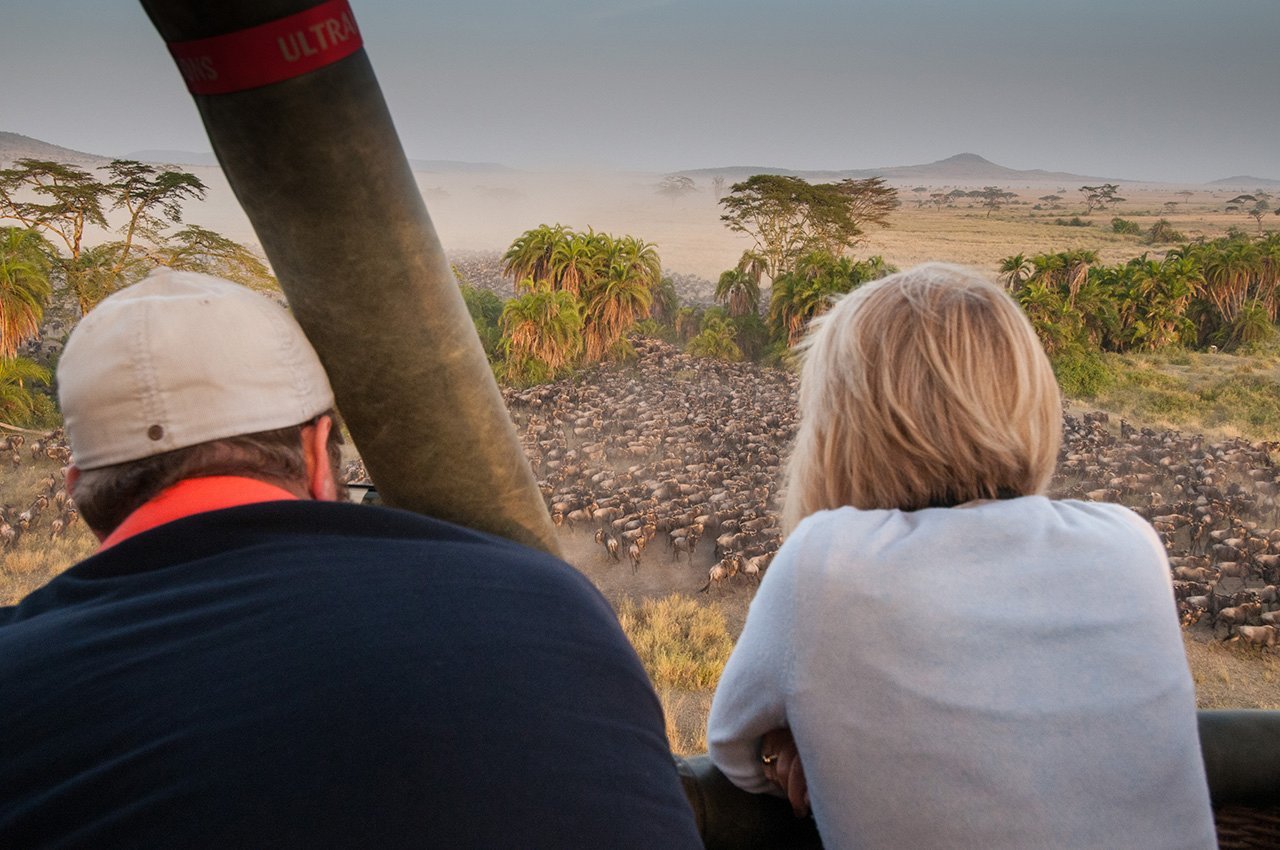
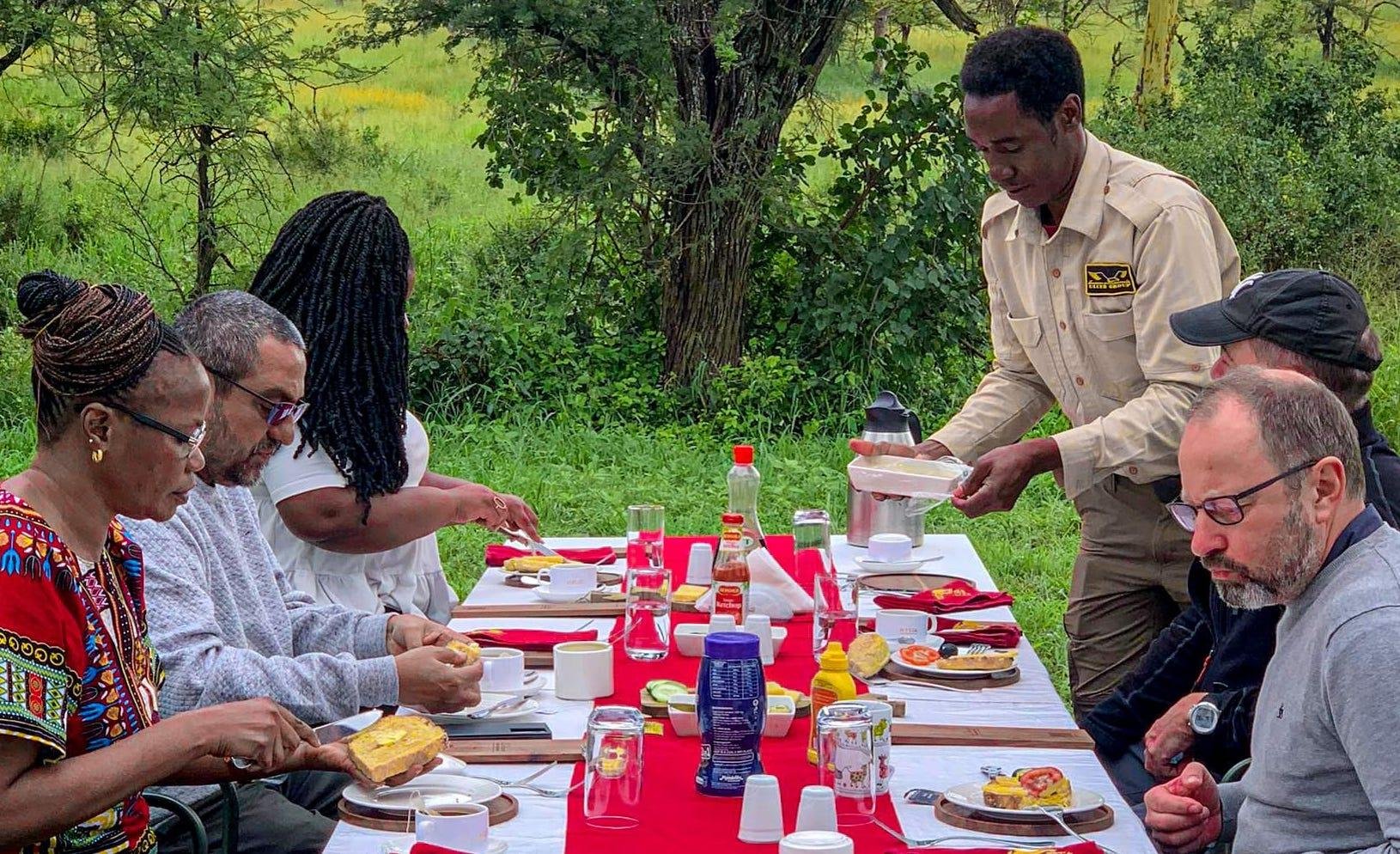
Soar above the Serengeti at sunrise, spot wildlife from the sky, and celebrate with champagne and breakfast
12 hours 30 minutes
Free Cancellation
Explore the Western Serengeti on a wildlife-rich game drive with expert guidance and bush lunch
10 hours
Free Cancellation
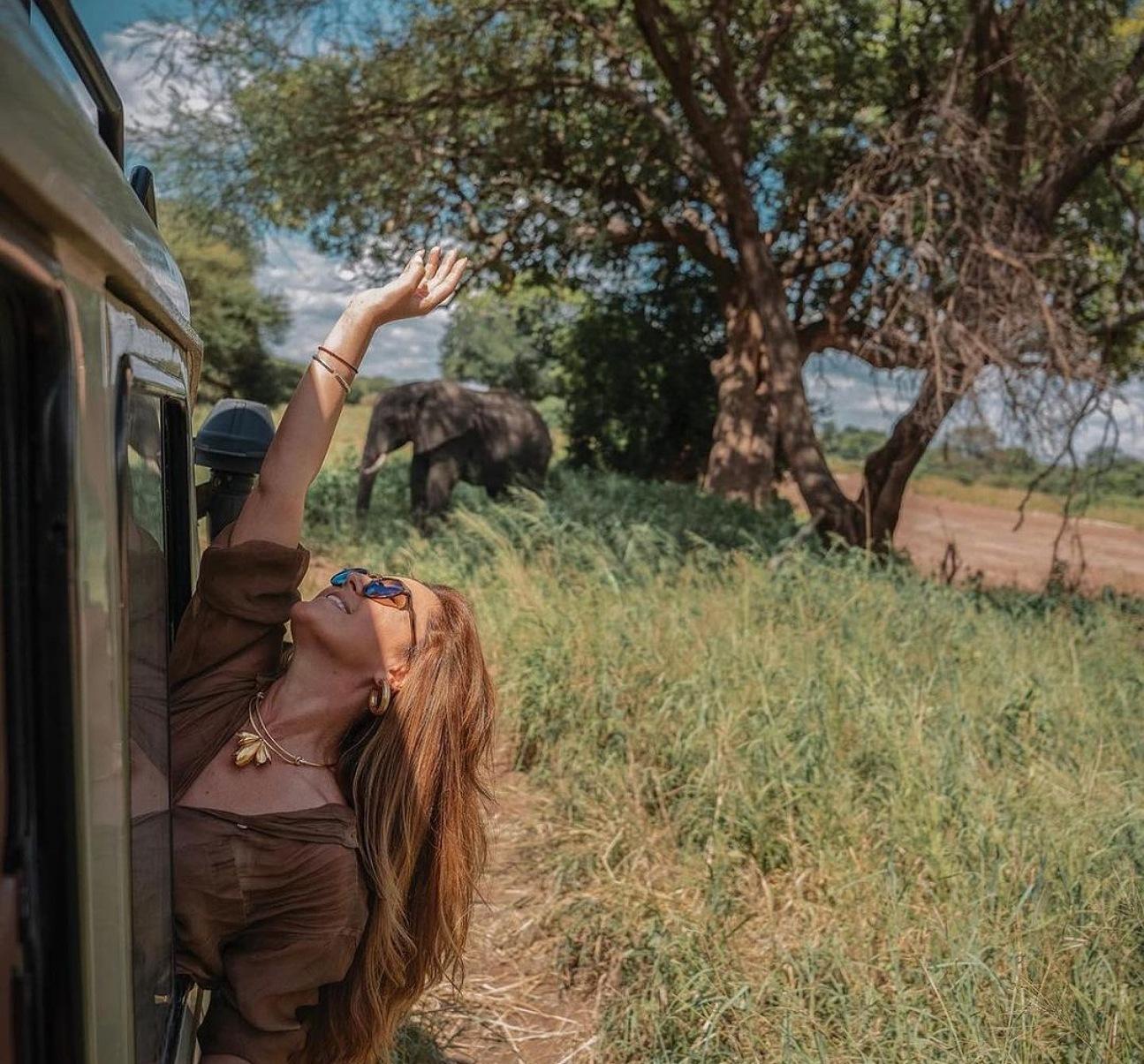
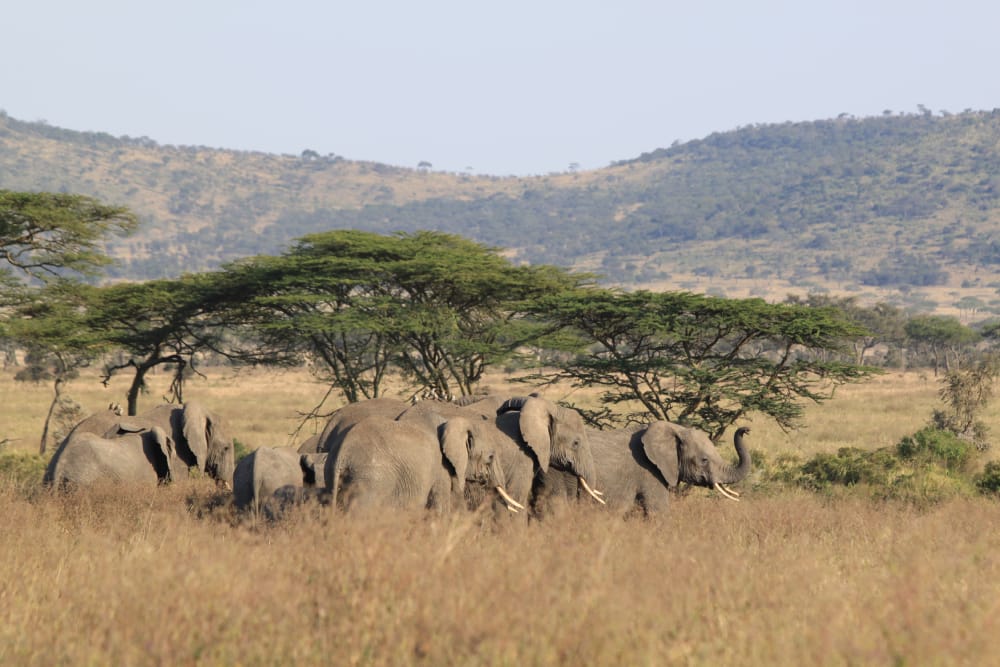
Journey through elephant-rich landscapes and witness vast herds at watering holes in this accessible northern circuit park
1 day
Free Cancellation
Experience Tanzania's legendary wildlife reserve on an all-day adventure through endless golden plains
12 hours
Free Cancellation
Experience Africa's most celebrated wildlife park on a single-day adventure through the western Serengeti
4 days
Free Cancellation
Explore Tanzania's premier wildlife parks on a thrilling four-day camping adventure through legendary safari territory.
Known for high concentrations of big cats including lions and leopards, the valley serves as the central hub for sightings.
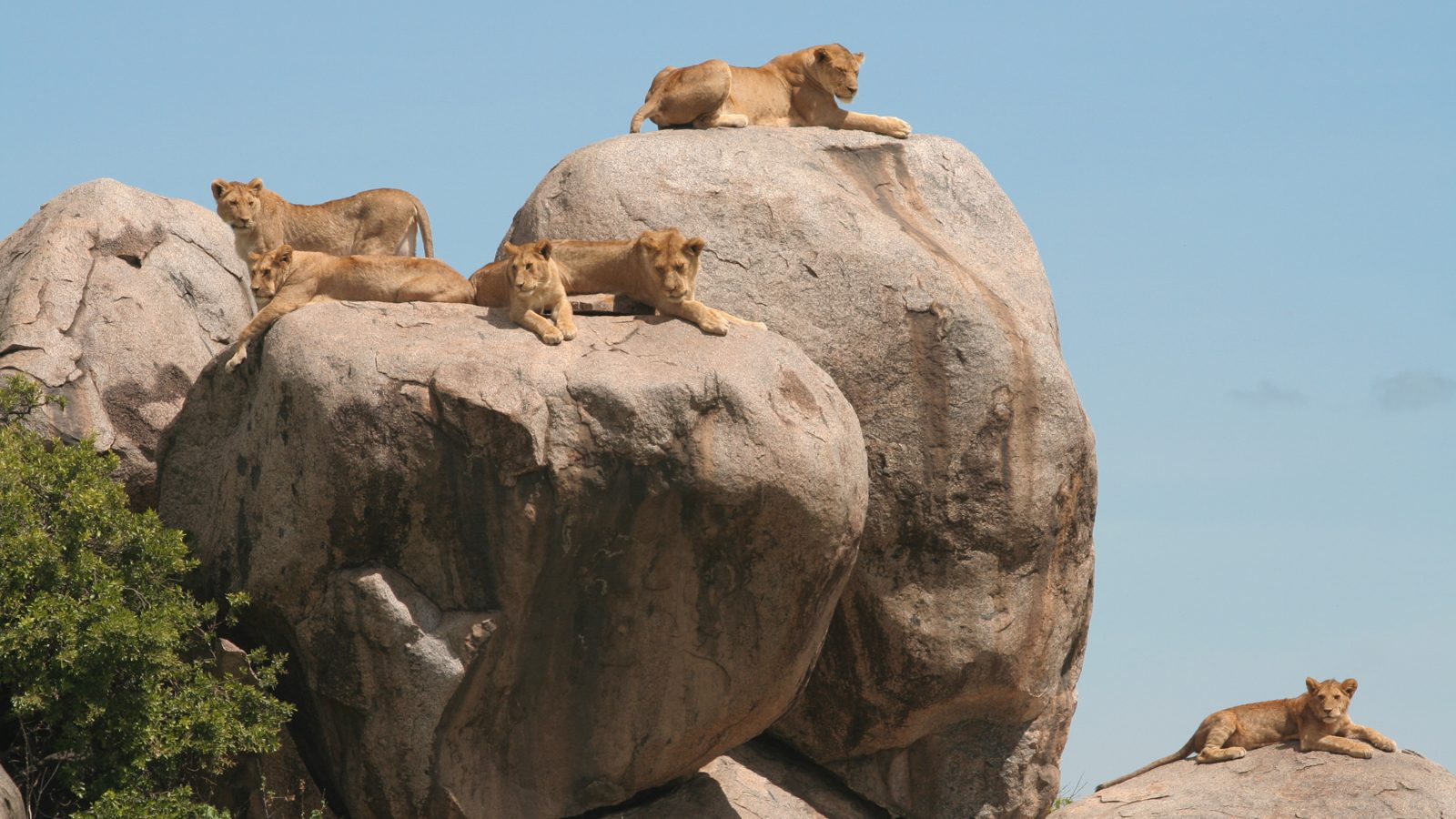
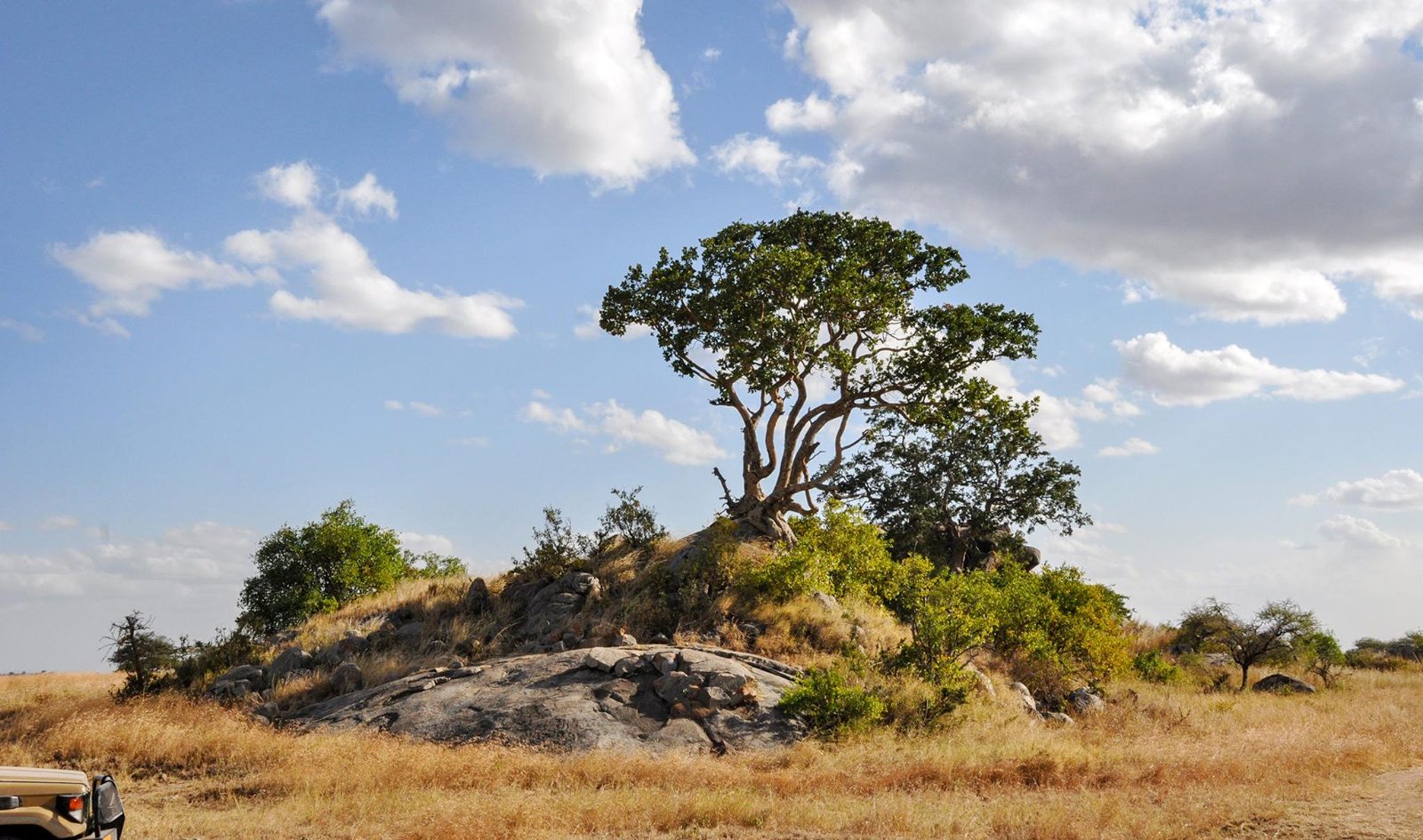
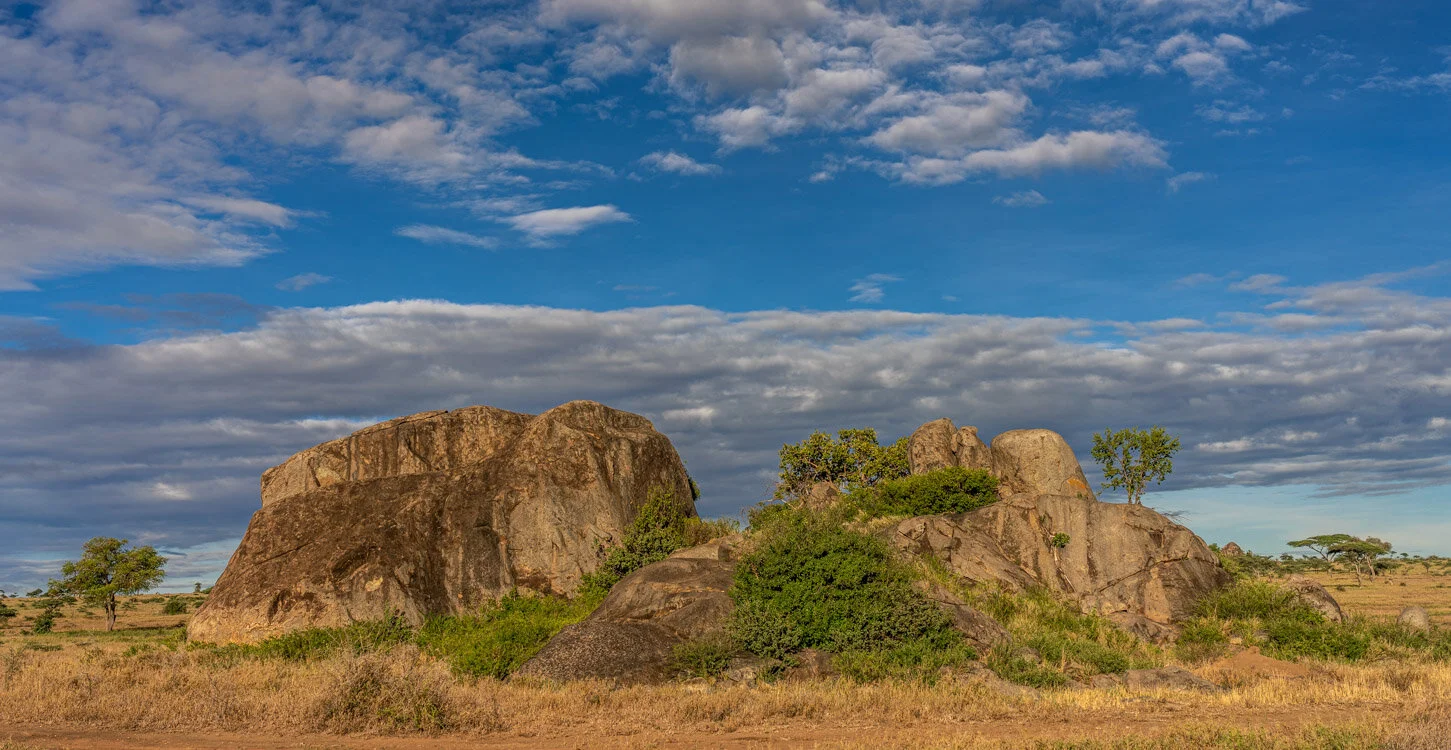
These granite rock formations provide vantage points for predators and feature ancient rock art sites hidden in crevices.
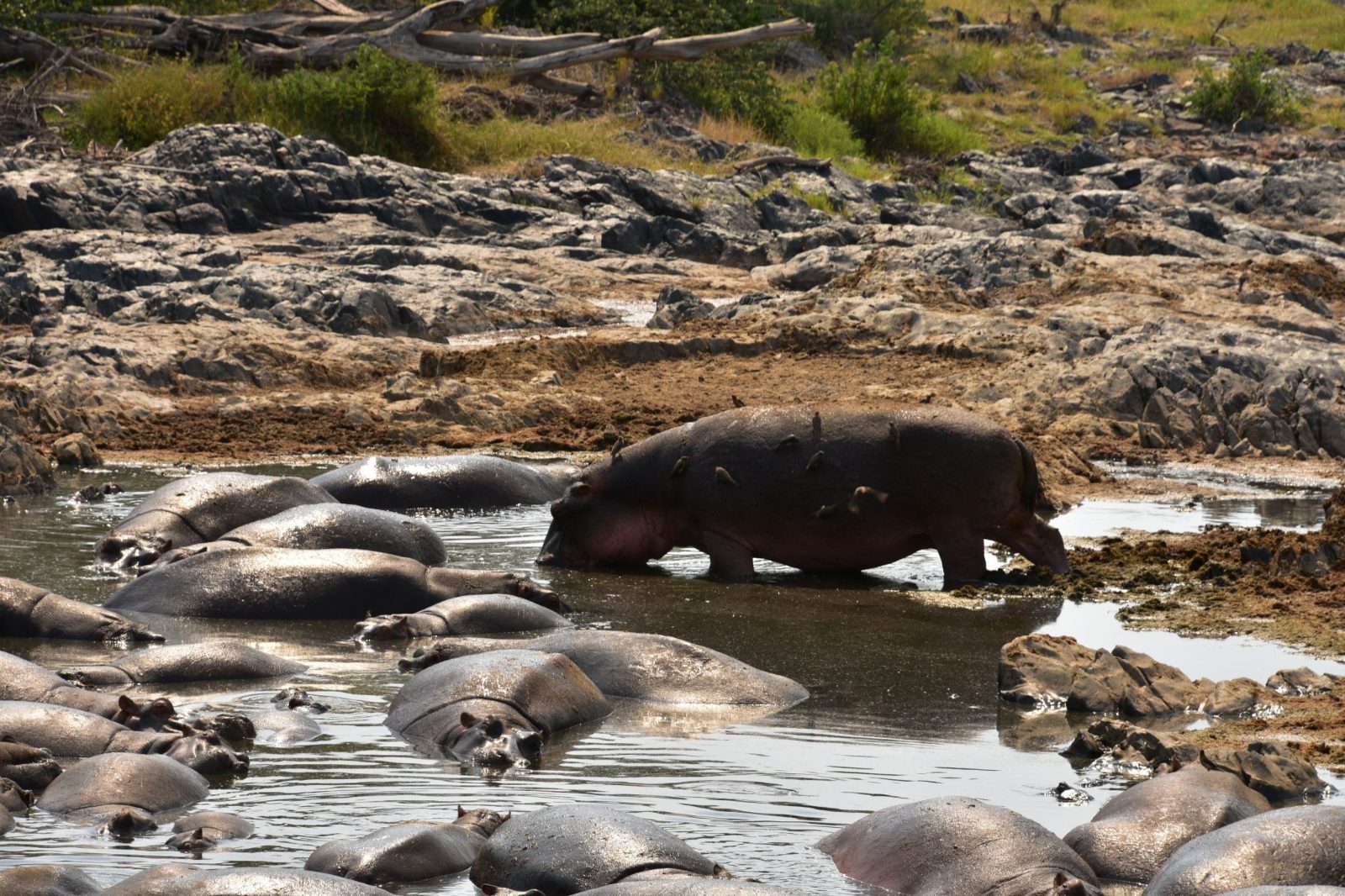
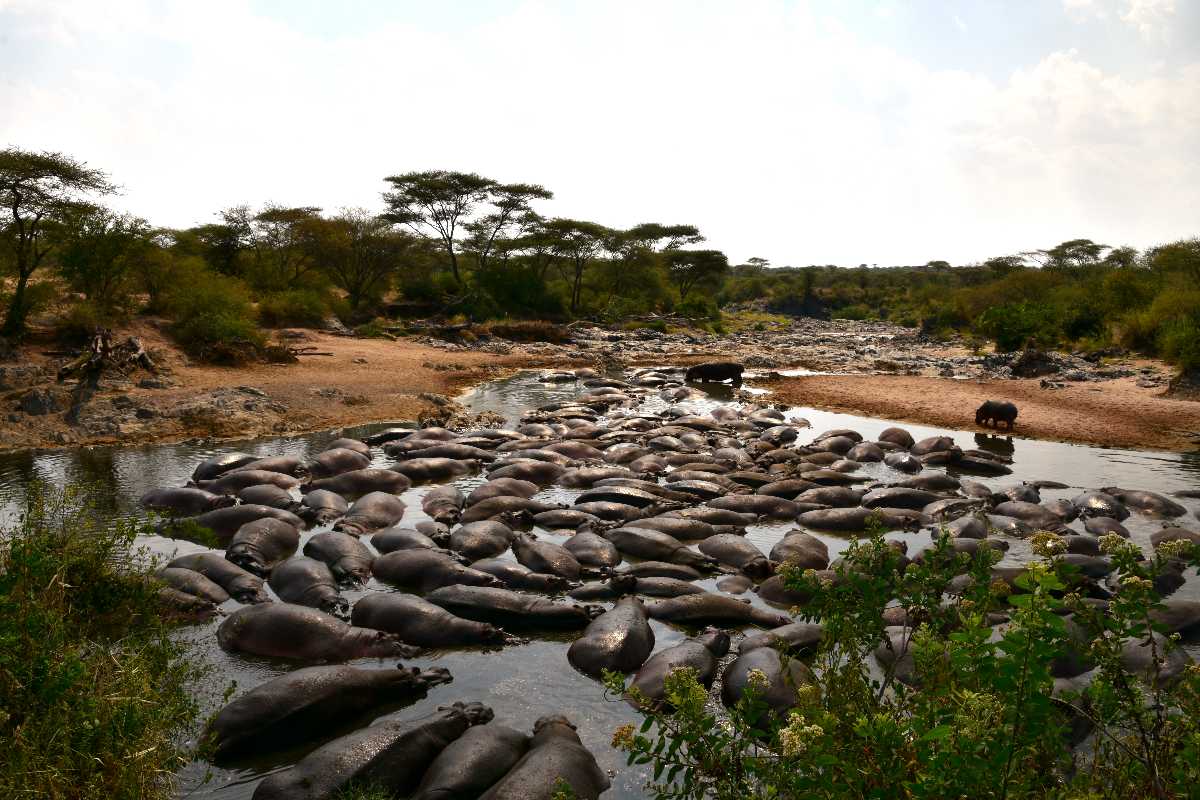
Home to hundreds of hippos, this pool offers an observation area to view the animals in their muddy habitat.
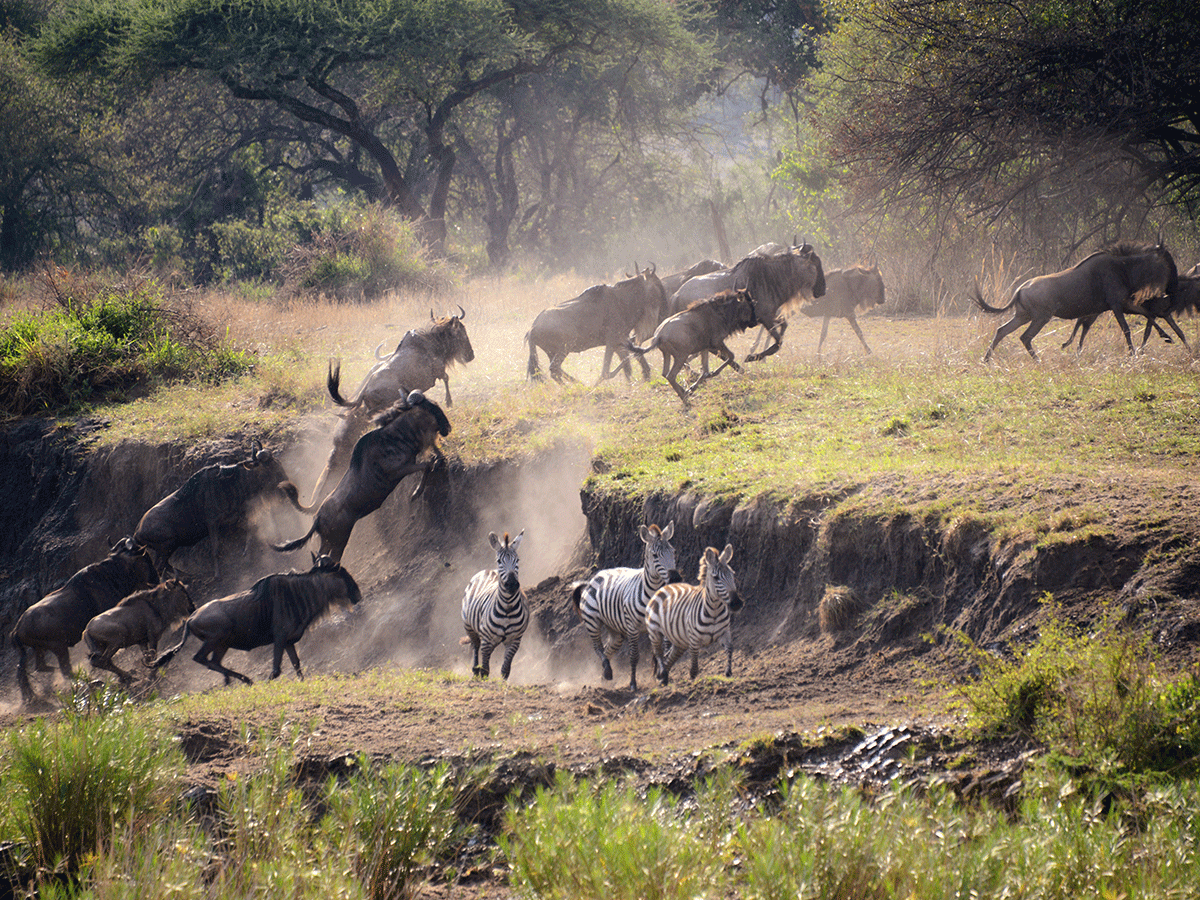
Crucial during the Great Migration, this river is a site for intense crocodile crossings and riverbed activity.
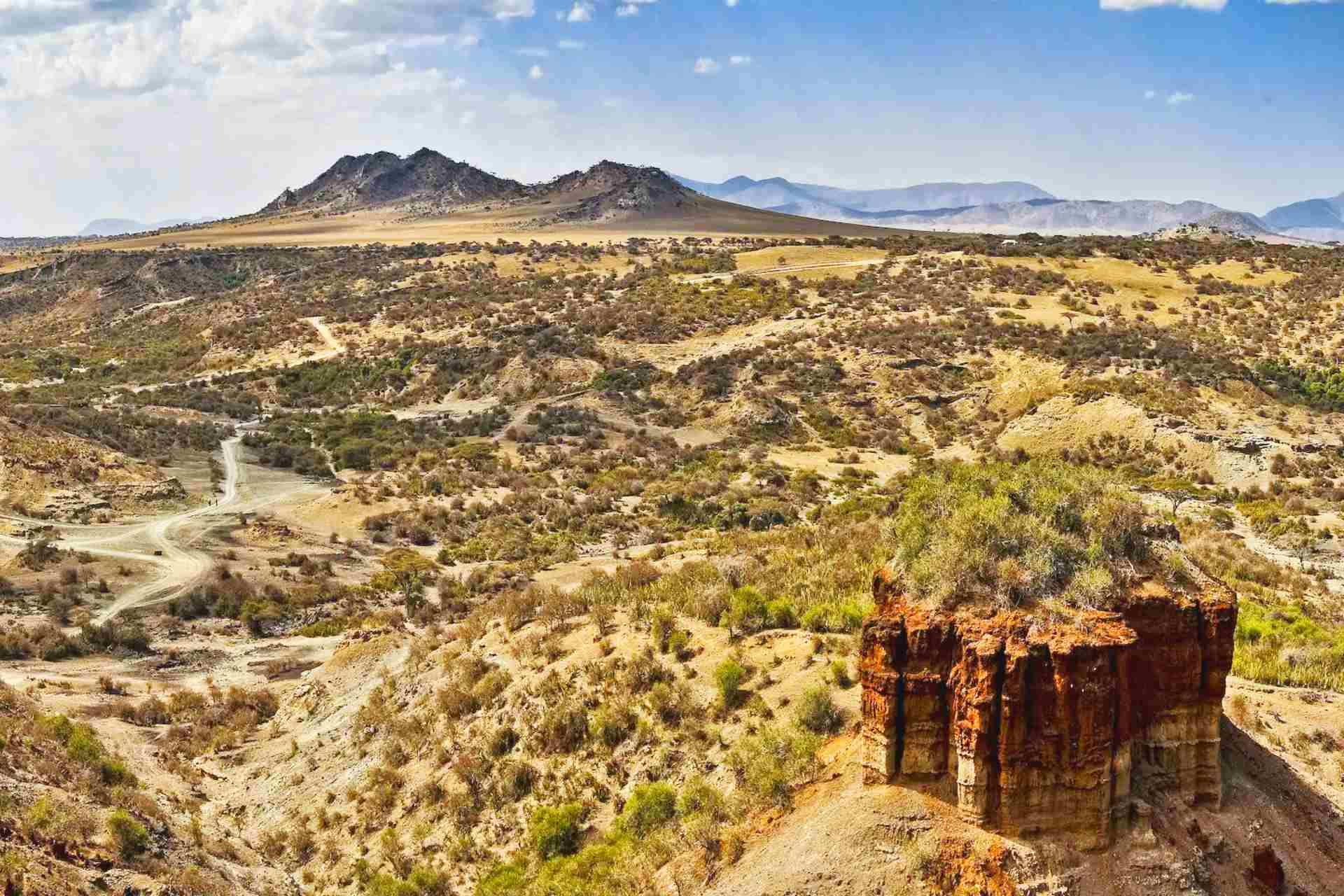
Located near the park boundary, this site is significant for paleoanthropological discoveries regarding human evolution.
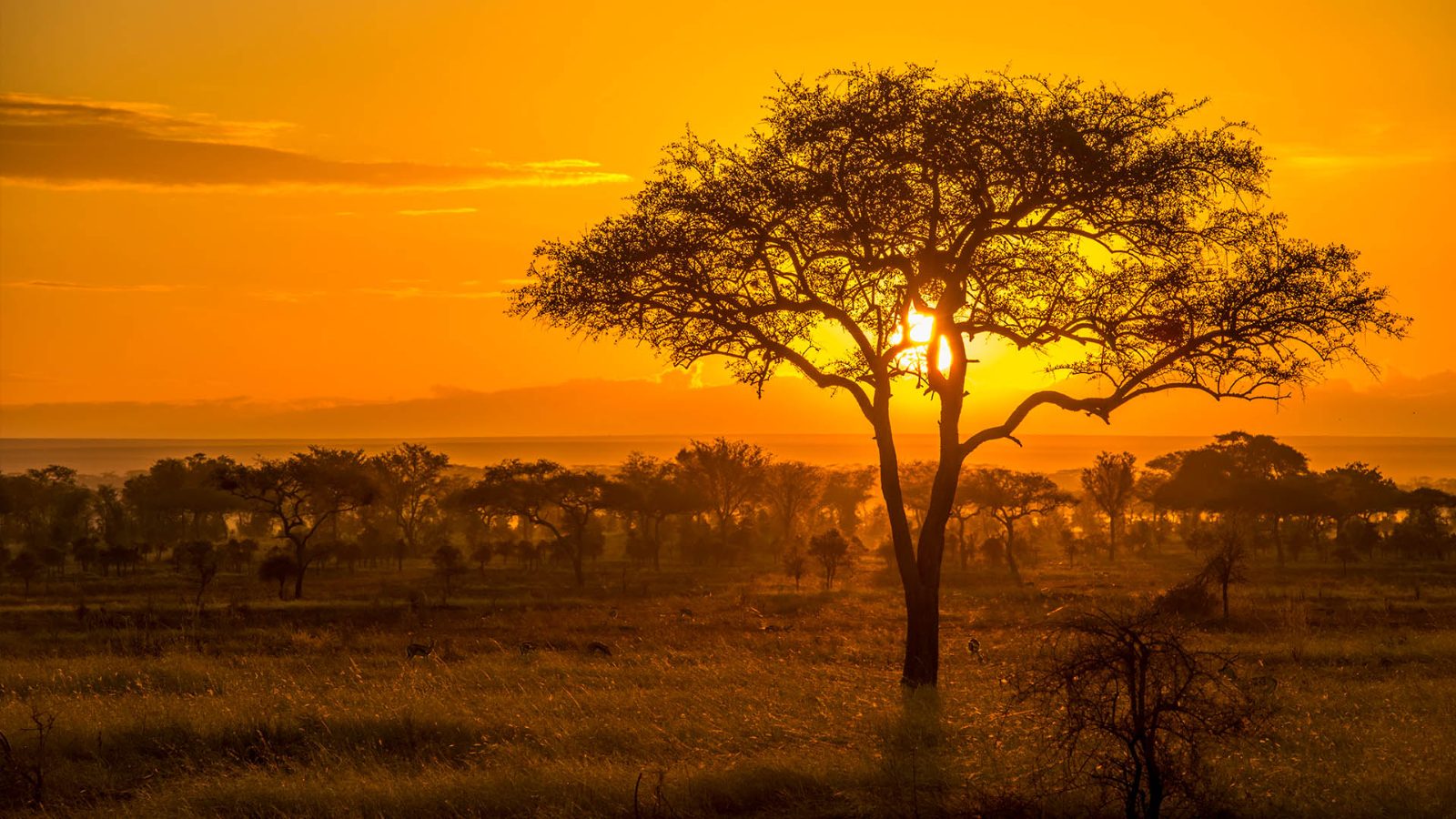
You enter through Naabi Hill Gate as the sun lifts over the short-grass plains, the acacia silhouettes sharpening against pink light. Your guide heads northwest toward Seronera, scanning for fresh tracks in the dust.
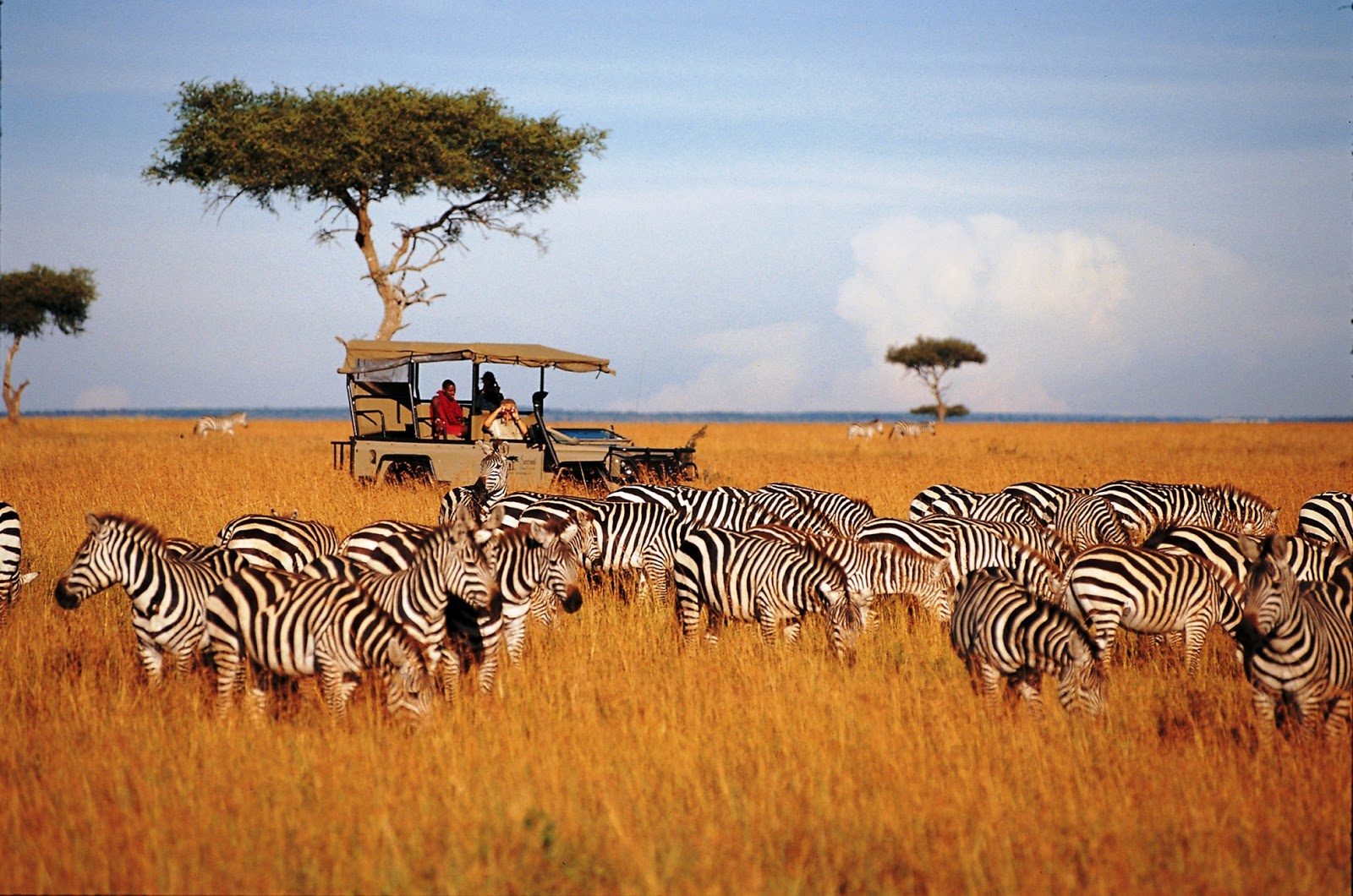
Within twenty minutes you spot your first herd — zebra grazing in loose formation, heads lifting in synchronised alert as a distant hyena crosses the road. The vehicle slows near a rocky outcrop where a leopard drapes itself across a fever-tree branch, tail hanging like a gold-spotted rope.
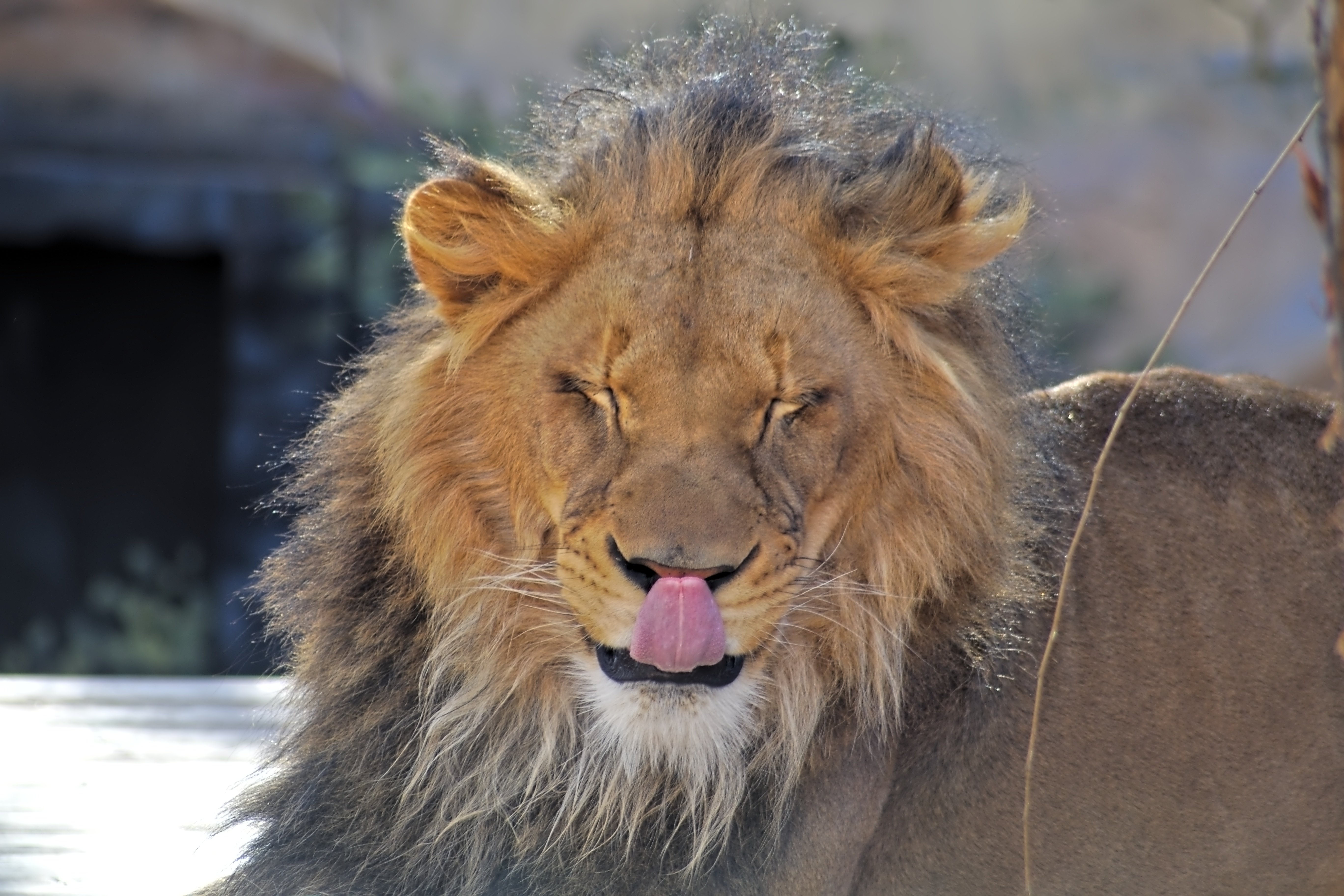
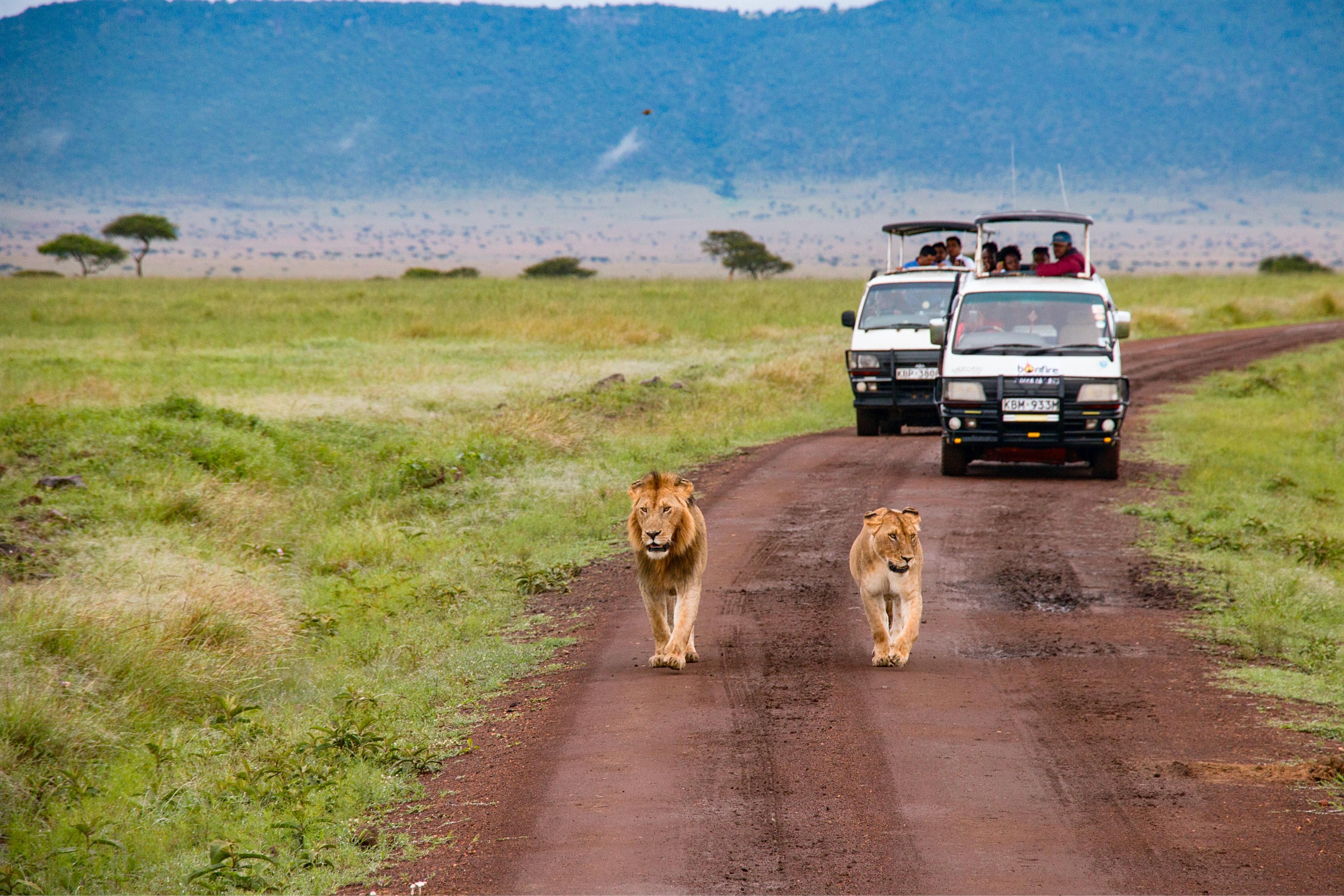
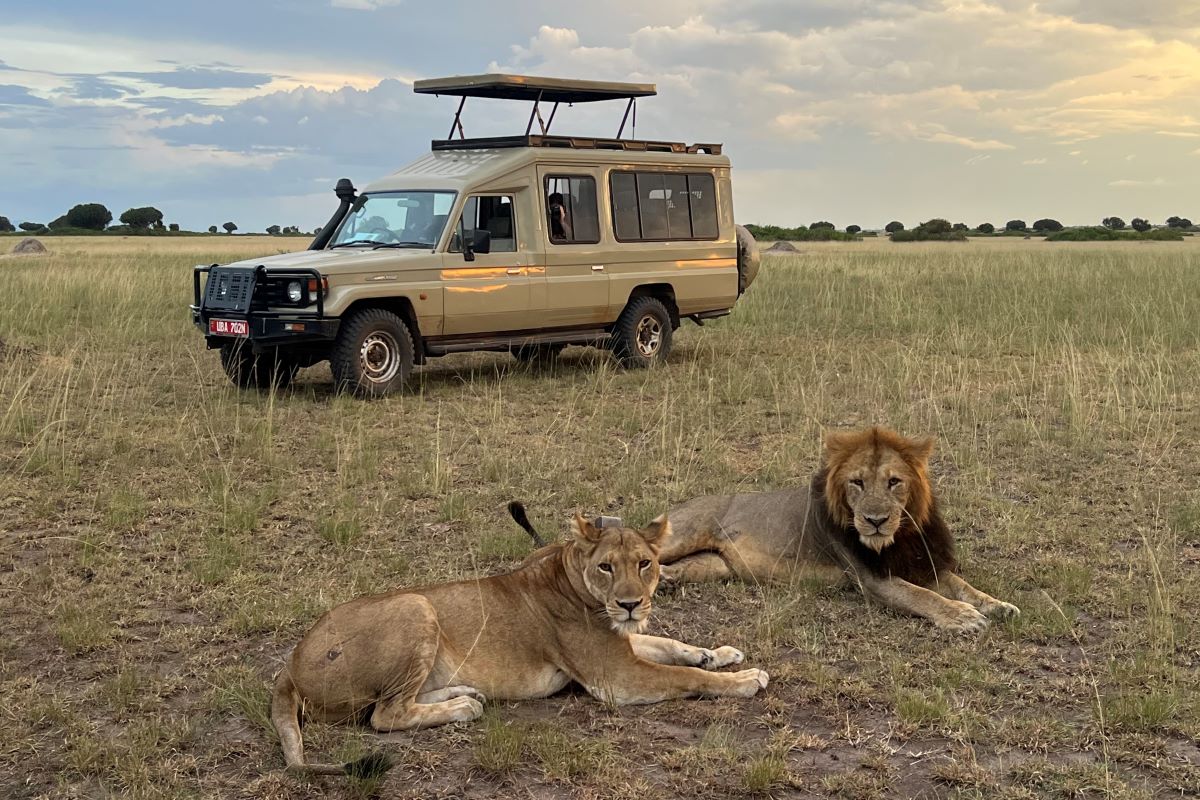
Mid-morning brings you to the Seronera River, where hippos cluster in muddy pools and Egyptian geese patrol the banks. A pride of lions rests in shade fifty metres from the water, their bellies round from a recent kill you spot downwind — Cape buffalo remains already claimed by vultures. You pause here for thirty minutes, watching cubs wrestle while females flick flies with their tails.
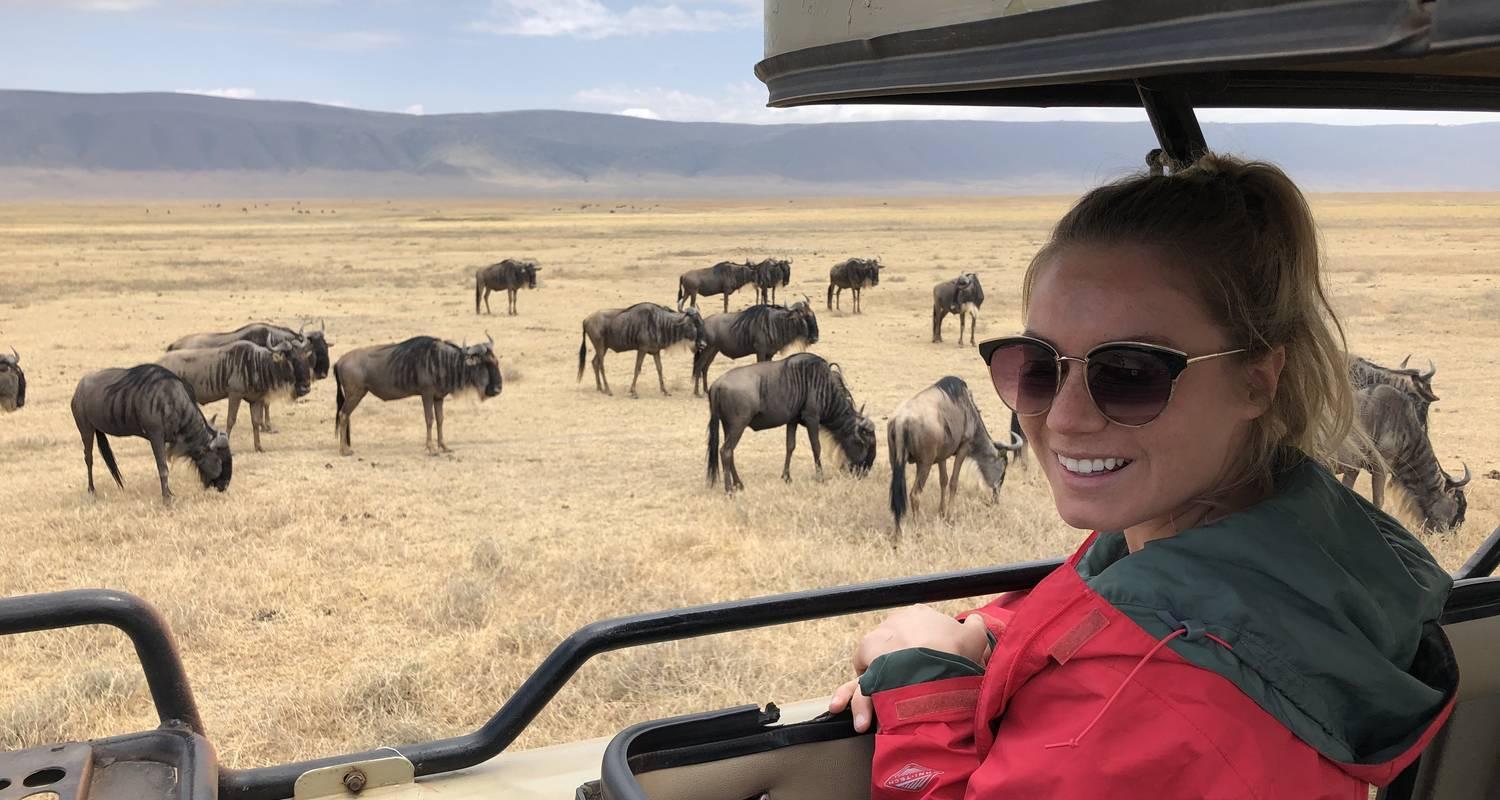
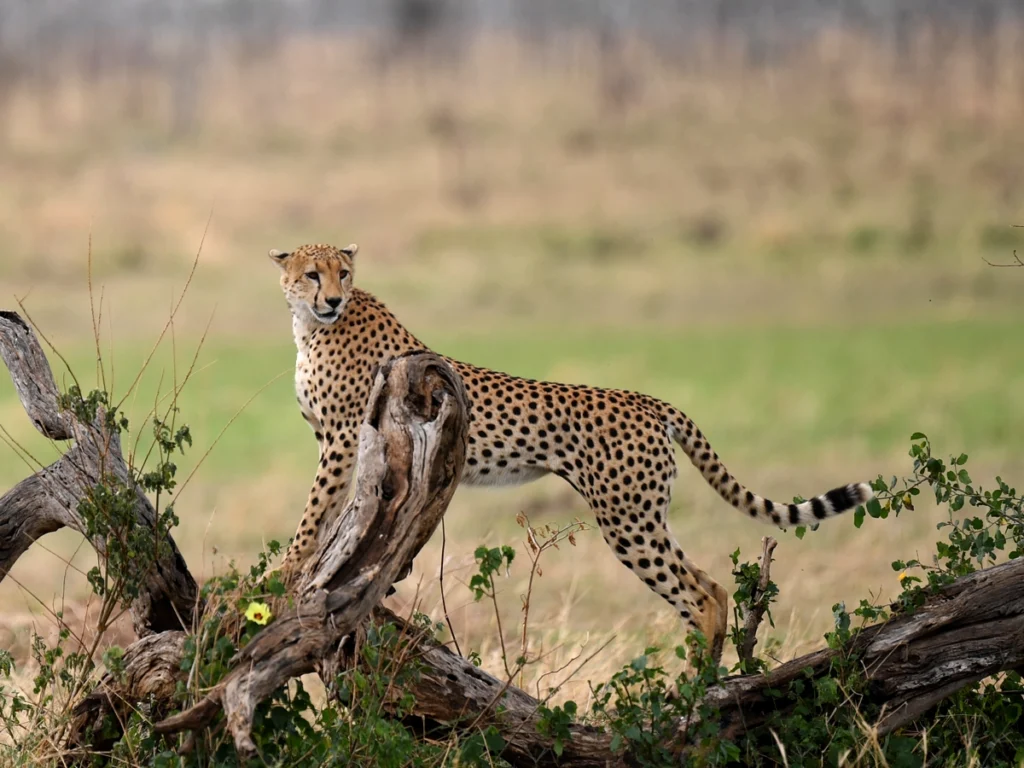
By early afternoon you're tracking the western corridor, passing Grumeti River crossings where crocodiles bask on exposed rocks. The plains open wider as you drive south, wildebeest herds materialising in numbers that defy counting. Your guide points out a cheetah mother with three half-grown cubs scanning for Thomson's gazelle. You watch her stalk, crouch, and explode into a sprint that covers 400 metres in seconds. The sun is low when you exit, dust settling on the dashboard, the park closing behind you at 18:00 sharp.
All the details about your upcoming adventure in one place
Serengeti National Park spans 14,763 square kilometres across Tanzania's Mara and Simiyu regions, forming the centrepiece of a 30,000-square-kilometre ecosystem that sustains the planet's largest terrestrial mammal migration.
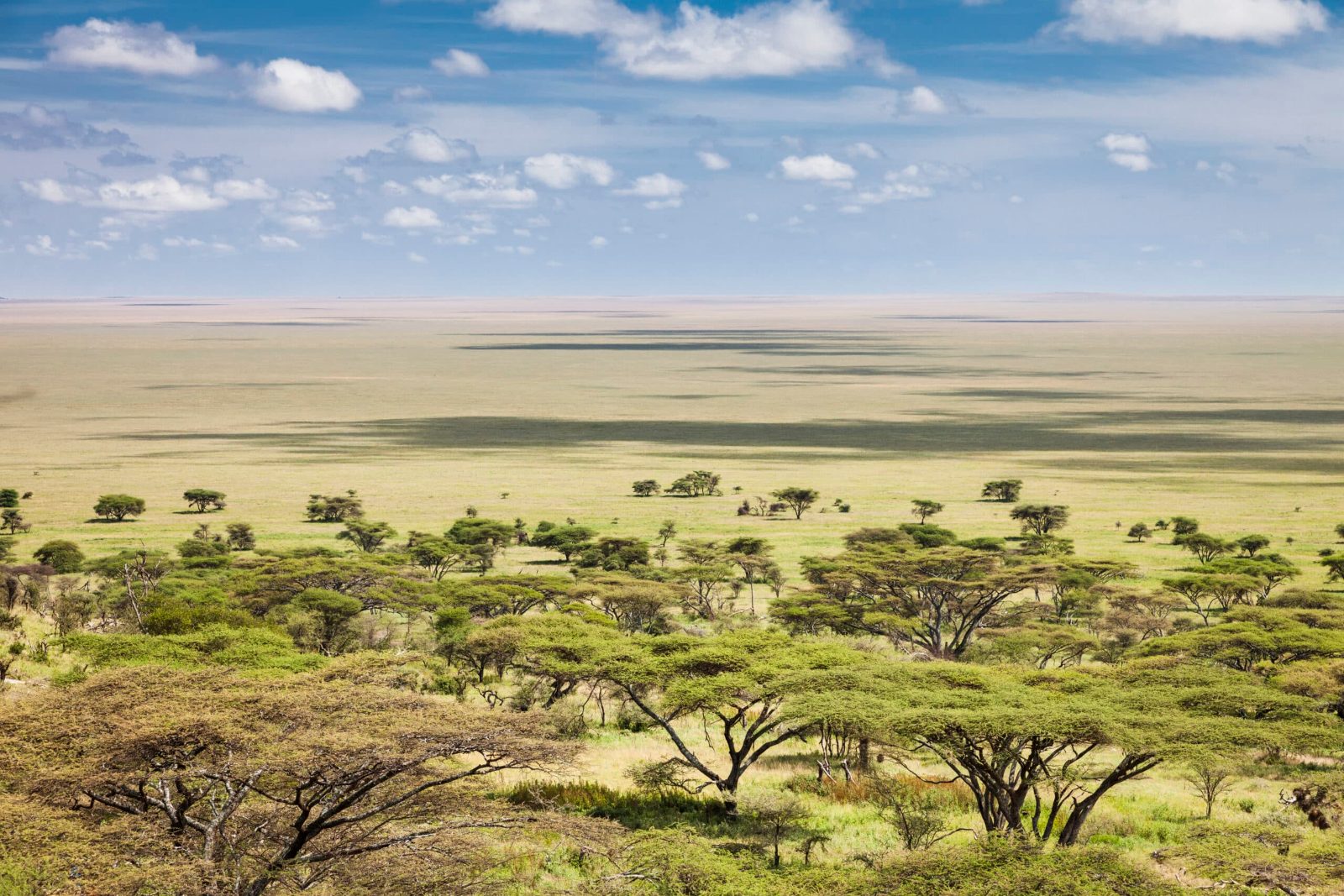
Established in 1951, the park protects 70 large mammal species and 500 bird species across acacia-studded savannah, riverine woodland, and granite kopjes that punctuate the horizon like geological islands. The Maasai people named it Siringet — "the place where the land runs on forever" — a descriptor that holds literal truth when you stand on the Seronera plains at midday and see grass meeting sky in every direction.
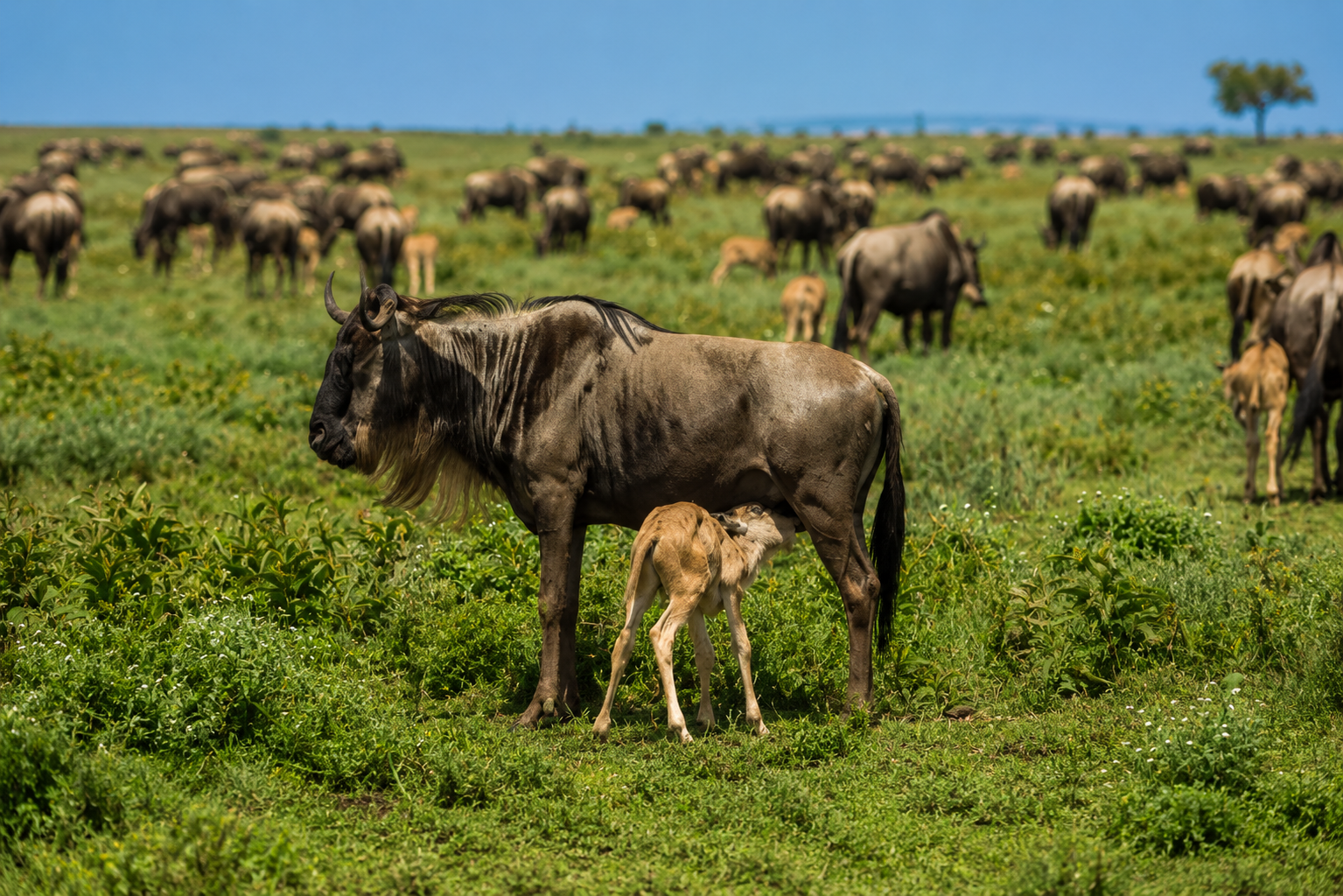
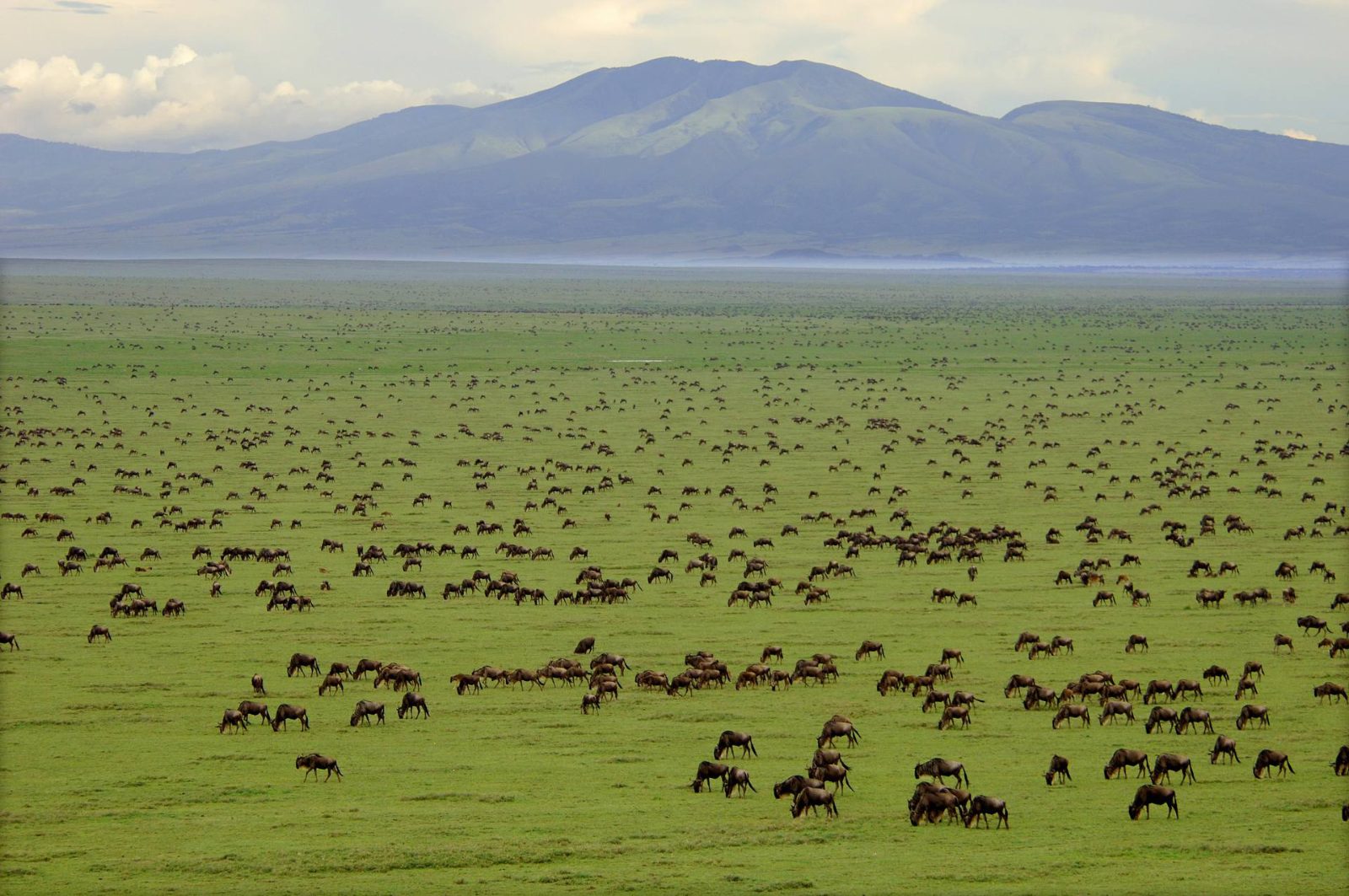
The Great Migration defines the Serengeti's global reputation. Between December and July, 1.5 million wildebeest, 200,000 zebra, and 300,000 Thomson's gazelle track seasonal rainfall in a clockwise loop through the ecosystem, crossing the Grumeti and Mara rivers in dramatic herds that draw Nile crocodiles and lion prides in equal measure. This cyclical movement predates human observation by millennia and remains the world's most intact example of predator-prey dynamics at continental scale. The western corridor holds resident hippo populations exceeding 2,000 individuals, while the park's eastern Ndutu plains become calving grounds each February, producing 8,000 wildebeest calves daily during peak season.
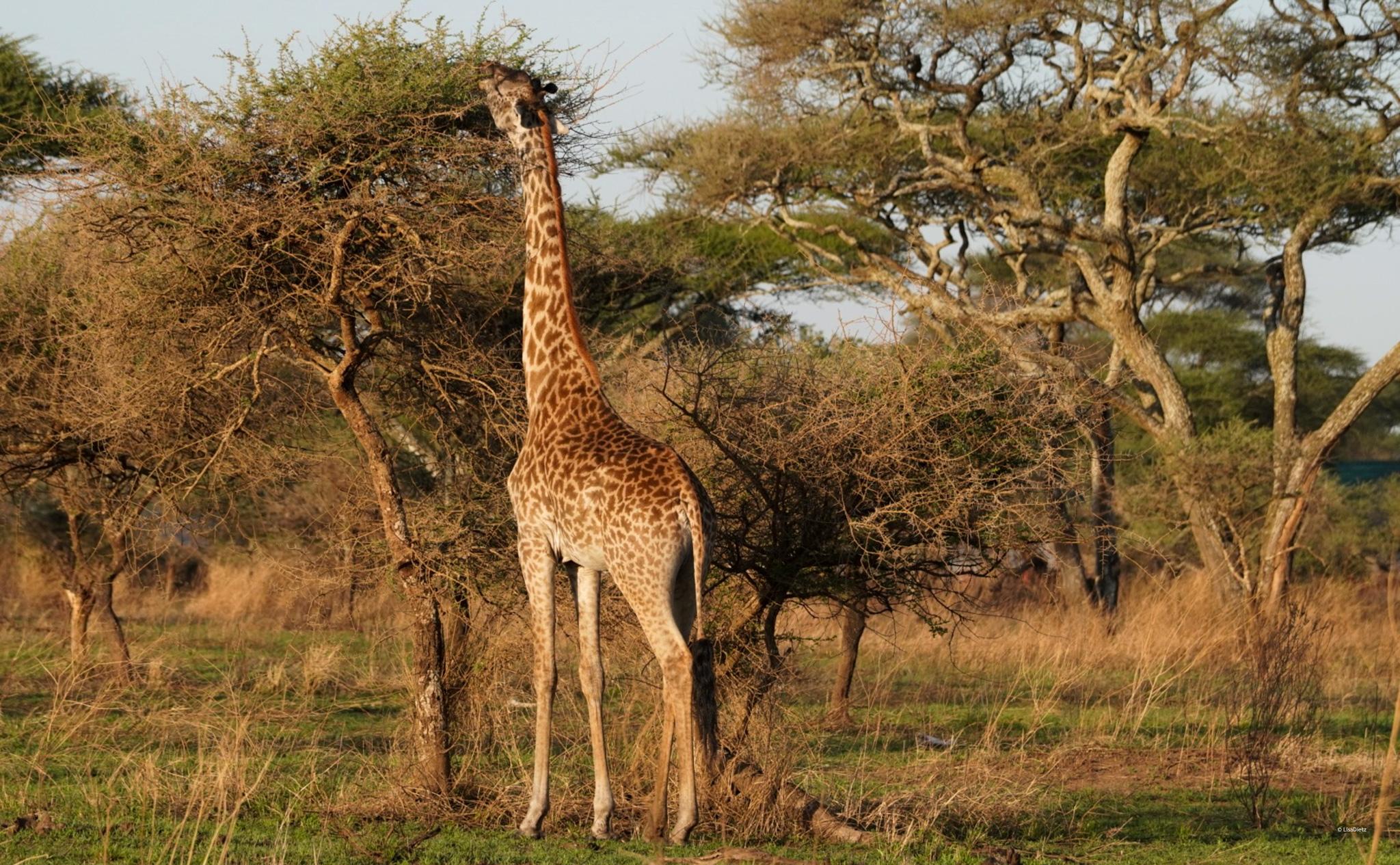
Beyond migration spectacle, the Serengeti harbours Africa's highest density of lions — approximately 3,000 individuals distributed across 300 prides. Leopards hunt along the Seronera River's fig-tree canopy, cheetahs course the short-grass plains near Gol Kopjes, and black rhinos persist in small, closely monitored populations. The park's vegetation zones shift with rainfall and soil type: red-oat grass dominates the southeast, Commiphora woodland covers the north, and fever-tree forests line seasonal watercourses. UNESCO inscribed the Serengeti as a World Heritage Site in 1981, recognising both its biodiversity concentration and its role as a living laboratory for ecological research that has shaped conservation policy across sub-Saharan Africa.
A Serengeti National Park day trip operates within strict temporal and logistical boundaries set by Tanzania National Parks Authority. The park opens at 06:00 and closes at 18:00 daily, with the 83 USD adult entrance fee covering a 24-hour period inclusive of 18% VAT. Most full-day safaris depart surrounding towns at dawn, allocating six to eight hours for game drives across designated circuits before exiting by dusk. Balloon safaris launch before sunrise, offering aerial perspectives over the central Seronera region before descending for bush breakfasts near the Grumeti. Multi-day itineraries pair the Serengeti with Ngorongoro Crater and Tarangire, but single-day access remains the practical choice for visitors based in Mwanza or transitioning between northern Tanzania's protected areas.

The Maasai named it Siringet — the place where the land runs on forever.
Wear neutral-colored, breathable clothing to blend with the environment and protect against sun and insects. Sturdy, closed-toe walking shoes are essential for game drives and stops.
Keep all personal belongings secured inside the vehicle during transit. Rangers perform random checks to ensure adherence to park safety protocols.
Photography is permitted for private use; commercial filming requires advance permits. Avoid using flash when near wildlife to prevent disturbing natural behaviors.
Children are welcome, though long game drives require patience and adequate supplies. Ensure younger guests remain inside the vehicle at all times for safety.
The park terrain is rugged and natural, posing challenges for those with mobility issues. Ensure your selected vehicle type is appropriate for off-road safari conditions.
Carry sufficient water and packed meals as designated picnic sites are the only areas for food consumption. Littering is strictly prohibited to maintain the ecosystem.
Opening Hours
06:00–18:00
Address
Serengeti National Park, Mara and Simiyu regions, Tanzania
Accessibility
Remote terrain requires 4WD vehicles
Best Arrival
06:00–15:00
Navigation
Follow park signs from established airstrips
Cancellations must be made within the operator-specified timeframe to qualify for refunds. The entrance fee of 83 USD per adult per 24 hours is subject to Tanzania National Parks authority regulations.
Recommended time
10-12 hours
Maximizing a serengeti national park day trip requires an early start to observe wildlife when predators are most active. Arriving within the recommended window allows for expansive game drives through the vast savanna without feeling rushed. Securing serengeti national park day trip tours in advance helps streamline logistics, while serengeti national park day trip tickets ensure smooth access to the park entrance. Expect quiet trails during the dawn hours, with visitor density increasing as vehicles congregate around major watering holes by midday.
Crowd levels through the day
Long before the Serengeti National Park day trip became a cornerstone of African wildlife tourism, the plains belonged entirely to the Maasai pastoralists and their cattle. In 1921, colonial authorities carved out a partial game reserve from the southeastern grasslands, driven by European hunting interests rather than conservation. Full national park status arrived in 1951 under British administration, formalizing boundaries that displaced Maasai communities—a decision that sparked decades of land-rights disputes. The park's original 14,763 square kilometers enclosed only the central woodlands; by 1959, Tanzania expanded protection westward to the present 14,750-square-kilometer expanse, establishing corridors that would prove essential for the annual wildebeest migration. Scientific recognition followed administrative control. German zoologist Bernhard Grzimek and his son Michael conducted aerial surveys in the late 1950s, documenting migration routes that UNESCO cited when designating the Serengeti a World Heritage Site in 1981. Michael died in a plane crash over the park in 1959, yet their film *Serengeti Shall Not Die* galvanized international funding. Anti-poaching patrols intensified through the 1980s as ivory trafficking devastated elephant herds; by 1989, Tanzania banned all trophy hunting within park boundaries, a move that stabilized populations but curtailed revenue from licensed hunts. Modern Serengeti national park day trip tours emerged in the 1990s as Tanzania opened visa regulations and upgraded the Seronera airstrip. Private lodges replaced colonial-era tented camps, and the introduction of certified safari guides in 2003 standardized visitor experiences. Fire management protocols adopted in 2010 reduced uncontrolled burns that had historically regenerated grasslands but threatened acacia woodlands. Today, over 350,000 visitors annually navigate the park's all-weather roads, their serengeti national park day trip tickets funding ranger salaries and veterinary programs that monitor chronic wasting disease in buffalo herds—a threat absent when Grzimek first flew overhead.
Colonial authorities establish partial game reserve in southeastern Serengeti plains
British administration grants full national park status, displacing Maasai communities
Borders expand to 14,750 square kilometers; Michael Grzimek dies in survey crash
UNESCO inscribes Serengeti as World Heritage Site following migration studies
Tanzania bans trophy hunting within park boundaries to curb poaching
Certified safari guide program launches to standardize visitor experiences
Fire management protocols introduced to protect acacia woodlands from uncontrolled burns
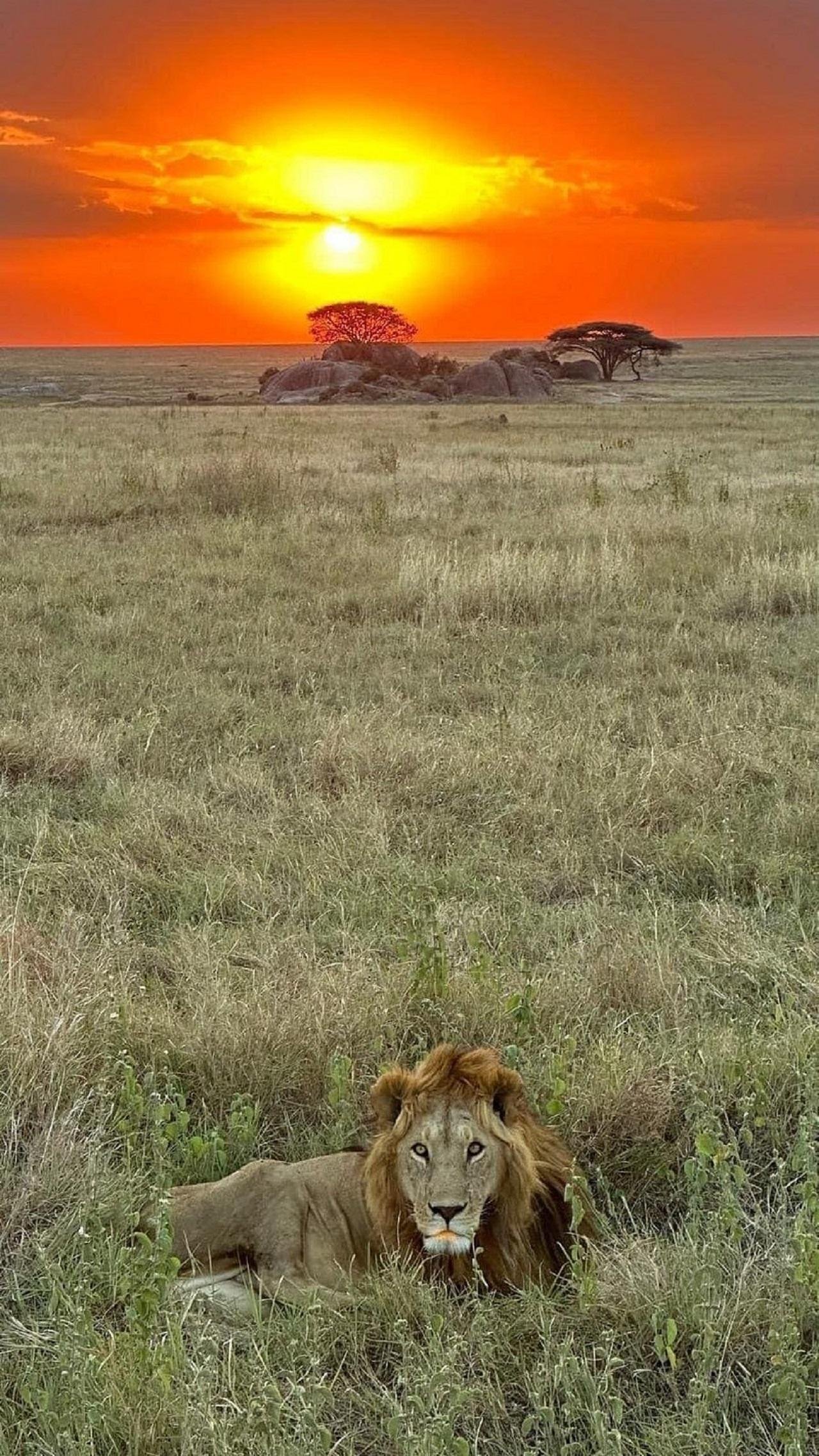
Capture classic acacia tree silhouettes and prides of lions resting in the tall grass at this central hub during your serengeti national park day trip.
These granite rock formations provide an elevated vantage point to photograph lions and leopards basking in the sun against the savanna backdrop.
Position yourself along the wooden viewing platform to photograph large pods of hippos and crocodiles in the dark, murky waters.
Explore these unique rock outcrops known for ancient rock paintings and frequent sightings of the endangered black rhino.
Planning a serengeti national park day trip with children is a rewarding way to introduce young explorers to Tanzania's wilderness. Success relies on choosing private transport to maintain a flexible pace that keeps little ones comfortable and engaged.
Focus on shorter game drives lasting two to three hours to keep young children from becoming restless during your serengeti national park day trip tours.
The best arrival window is 06:00–15:00, which allows you to maximize wildlife sightings while ensuring your family reaches your destination before the 18:00 gate closure.
Strollers are generally impractical on rugged savanna terrain, so a child carrier or sling is highly recommended for any stops during your serengeti national park day trip tour.
Bring along snacks, water, and activity books to keep children entertained between sightings of the Big Five and other wildlife.
Ensure your group has their serengeti national park day trip tickets ready and plan your route to utilize designated picnic spots for essential breaks throughout the day.
Always follow your guide's instructions and maintain a safe distance from wildlife to ensure a secure and enjoyable experience for the entire family.
Dining options are extremely limited within the vast wilderness, making a serengeti national park day trip highly dependent on pre-planned meals. While most visitors utilize designated picnic areas near established Serengeti National Park landmarks, there are no public restaurants inside the park gates to support your safari excursion.
Located in the heart of the park, this facility offers buffet-style meals for those who have booked serengeti national park day trip tours including lunch. It provides a formal setting for guests to rest between wildlife drives.
A convenient spot for travelers holding serengeti national park day trip tickets to enjoy a packed meal while scanning the plains for lions. It serves as a popular pause for vehicles moving through the park entrance.
Situated near Seronera, this camp caters to visitors on a serengeti national park day trip tour who prefer a seated, prepared meal over outdoor dining. Reservations are required to ensure the kitchen can accommodate your group schedule.
Everything you need to know for your journey
The park is open daily from 06:00–18:00 for your Serengeti National Park day trip.
The park entry fee is 83 USD per adult per 24 hours, inclusive of 18% VAT.
We recommend arriving between 06:00–15:00 for a Serengeti National Park day trip to ensure maximum wildlife viewing before gate closure.
Photography is allowed during your Serengeti National Park day trip, provided you respect animal safety guidelines.
You may bring food, but it must be consumed at designated picnic sites within Serengeti National Park.
A Serengeti National Park day trip is possible for families, provided children remain in vehicles at all times.
Please book your Serengeti National Park day trip tickets through authorized tour operators to ensure entry.
The best time for a Serengeti National Park day trip depends on seasonal wildlife migrations and weather.
Accessibility for a Serengeti National Park day trip is limited by the natural, unpaved terrain of the park.
Join thousands of happy travelers who have discovered this incredible experience
Book Your Experience Now